-
720-727-6652 -
help@businessname.com -
Mon – Fri: 10:00 – 18:30
Facebook-f
Twitter
Google-plus-g
Instagram
Youtube
Tree Health Assessment Federal Heights CO
Tree Health Assessment helps homeowners better understand how their trees are really doing. Trees grow slowly and change gradually. Many problems form slowly without obvious symptoms at first. A tree can look healthy from far away. Inside, stress may already be present. This stress can affect strength and balance. Over time, minor issues grow more serious. Without checking, these changes go unnoticed. Tree Health Assessment focuses on early detection of problems.
Many homeowners only notice tree problems after damage happens. Branches may fall during storms. Trees may lean after heavy wind. By that point, options are more restricted. Tree Health Assessment helps reduce unexpected failures. It looks at warning signs before failure occurs. This makes decision-making simpler. Early knowledge lowers danger. It also protects nearby property.
Tree Health Assessment is not about making assumptions. It is a detailed evaluation of the tree and its environment. Each part of the tree matters. The goal is clarity, not rushing decisions. When homeowners understand tree health, they feel more confident. They know which signs matter. They also know when to act. This approach prevents emergencies.
Over 70  Reviews from Our Customers
720-727-6652
Tree Health Assessment Federal Heights, CO
Trees in Colorado face ongoing pressure from weather. Low humidity affects moisture levels. Strong sun increases water loss. Wind adds force to branches. Cold winters limit healing. Tree Health Assessment Federal Heights, CO explains how these conditions impact tree health. Stress builds slowly over time. Damage is not always sudden. Understanding regional factors matters.
Location plays a key role in tree health. Trees near sidewalks often have restricted rooting areas. Pavement and foundations restrict root expansion. Compacted soil limits air flow and water. These factors reduce strength over time. Tree Health Assessment looks at these details closely. Minor shifts in the environment can have significant impact. These effects are often hidden.
Older trees benefit greatly from assessment. Older trees may hide internal decay. Weakness may exist inside the trunk. Roots may no longer provide enough stability. Tree Health Assessment helps detect these issues. It also helps determine options. Some trees need maintenance. Others need observation. A few may need to be taken down.
What a Tree Health Assessment Examines
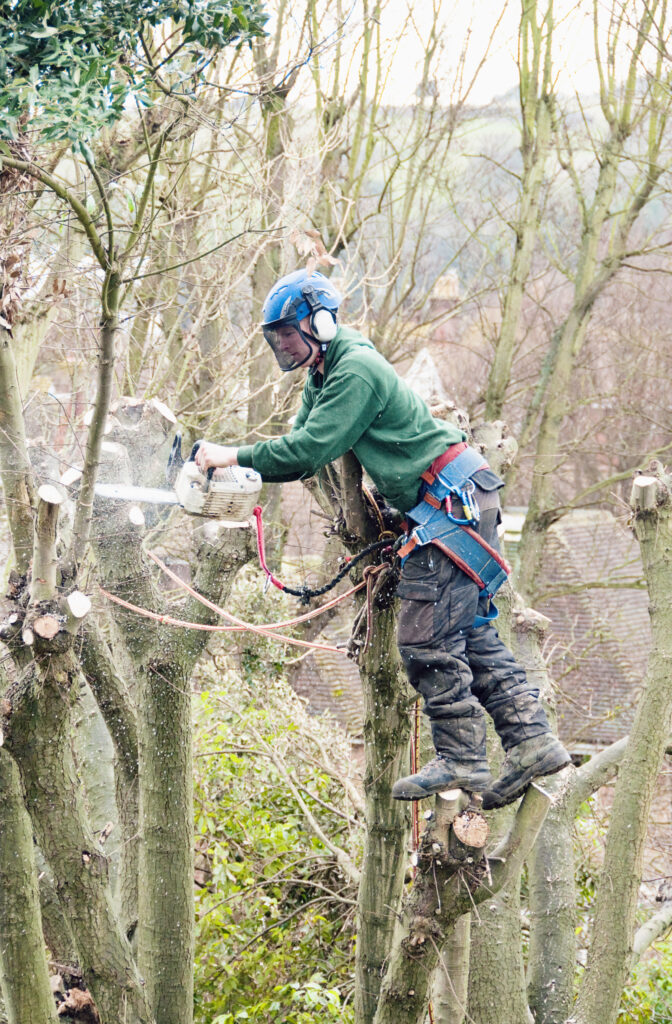
The canopy is examined first. Leaves are checked for size and color. Sparse sections are documented. Dead branches are identified. Imbalanced growth matter. These signs often indicate stress. Canopy health shows general tree health. Minor differences can point to deeper concerns.
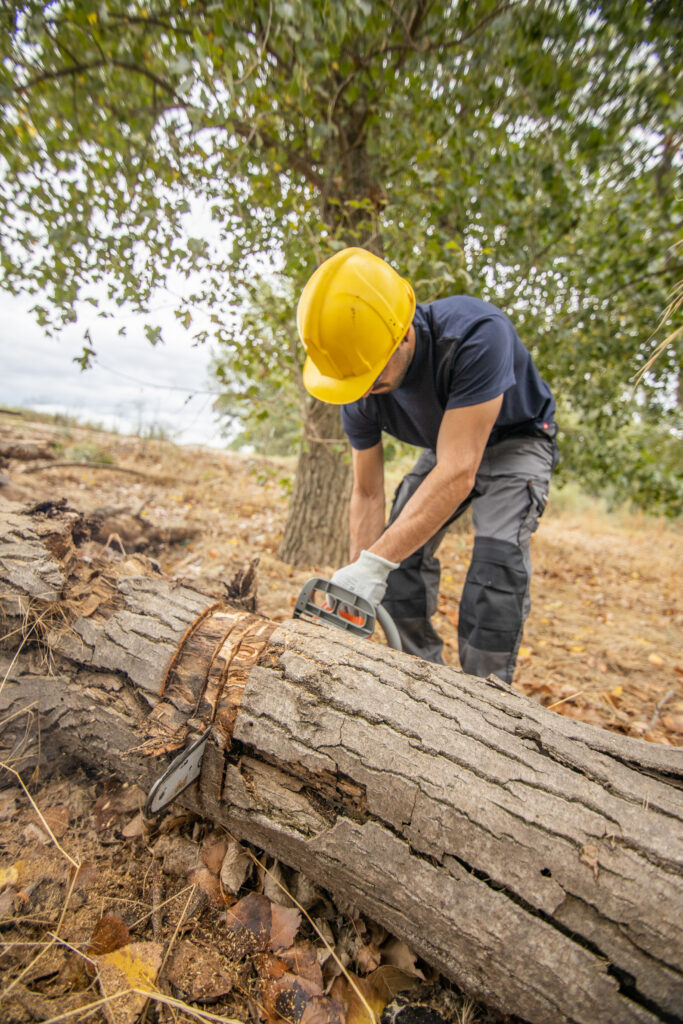
Next, the trunk is inspected closely. Cracks may appear along the bark. Cavities can weaken structure. Peeling bark may indicate infection. Soft spots indicate internal rot. These signs affect stability. Tree Health Assessment documents these details. Structural strength is assessed methodically.
Roots and soil are also reviewed. Exposed roots reduce support. Lifted soil suggests movement. Damage near hardscapes matters. Dry ground affects water absorption. Dense soil limits growth. Tree Health Assessment connects soil condition to tree health. Roots are essential to stability.
Climate Stress and Regional Comparison
Colorado’s dry climate stresses trees slowly. Moisture loss weakens root systems. Trees adapt but lose flexibility. Stress may not show immediately. Long-term dryness add up. Tree Health Assessment helps monitor these effects. Early detection reduces failure risk.
Winter adds another layer of stress. Heavy snow add weight. Wind pushes against added weight. Weak joints may split. Storms expose existing weaknesses. Monitoring helps identify weak points. Assessment before winter is beneficial.
In Missouri, climate stress looks distinct. Higher moisture levels allows faster growth. Heavy rain loosens roots quickly. Storms can cause sudden failure. While climates differ, stress causes failure in both places. Tree Health Assessment helps in both regions. Understanding stress patterns supports better decisions.
When Homeowners Should Take Action
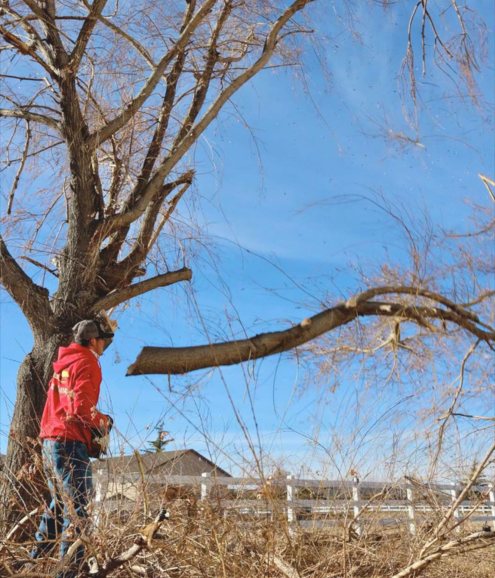
Homeowners should act when changes appear. Early leaf drop is a warning sign. Smaller leaves matter. Branches losing growth indicate decline. Trees that tilt need evaluation. Exposed roots should be checked. These signs seldom resolve on their own.
Waiting increases risk over time. Small problems grow larger. Storms stress vulnerable trees. Sudden failure can cause harm. Acting early provides more options. Monitoring allows managed treatment. Emergency situations are avoided.
Tree Health Assessment Federal Heights, CO helps homeowners make informed choices. It supports care, monitoring, or removal decisions. Early assessment reduces risk to homes and families. Understanding tree health builds confidence. It also builds long-term safety. This approach keeps landscapes stable and safe.
Testimonials
Their ISA certified arborists provided expert advice, and their attention to detail in pruning and trimming was outstanding. Highly recommend their services for anyone in Westminster!

John
As a potential new client, I was impressed by how responsive and professional the team was. Their stump grinding service was efficient, and they left my property spotless. Fantastic job!

Brown
Being a homeowner in Boulder County, I needed a reliable tree care specialist for disease management. The team’s knowledge and care exceeded my expectations. Thank you for your excellent work!

Leon
Frequently Asked Questions
1. Why should I hire a tree care specialist for tree removal?
Hiring a tree care specialist ensures safe and efficient removal while protecting your property and surrounding areas. Our ISA-certified arborists use advanced safety practices and equipment to minimize risks and deliver quality results.
2. How does emergency tree removal work?
In emergency situations, our team responds promptly to service requests. We assess the location, secure the area, and remove the tree safely. Whether dealing with storm-damaged trees or fallen branches, we prioritize safety and efficiency.
3. What are the costs involved in tree services in Westminster?
Costs vary depending on factors like tree size, location, and complexity. Our altitude arborist provides free estimates, ensuring transparency and helping you make informed decisions about tree removal.
4. What is the role of ISA-certified arborists in tree removal?
ISA-certified arborists bring expertise to every stage of the removal process. From assessing tree health to ensuring safety practices are followed, their knowledge ensures the best outcomes for your property and the urban forest.
For professional tree removal services in Westminster, CO 80031, trust Tree Service Westminster CO. Contact us today to schedule a consultation with our ISA-certified arborists and experience exceptional tree care tailored to your needs.
Get Quick Estimate
At Tree Service Westminster CO, we are a locally owned and operated company dedicated to providing top-quality tree care services in Westminster, Colorado, and the surrounding areas. With a team of ISA certified arborists, we specialize in everything from tree trimming and stump grinding to tree planting and disease management. As a full-service tree company, we take pride in delivering reliable, safe, and eco-friendly solutions tailored to meet the unique needs of residential and commercial clients. Our commitment to excellence, combined with our extensive knowledge of local ecosystems, ensures the health, beauty, and longevity of your trees. Fully licensed and insured, we strive to exceed expectations with every project while enhancing the natural landscapes of our community.
QUICK LINKS
-
Home
-
Contact
-
Service -
Tree Removal
-
Tree Trimming
CONTACT US
-
Westminster CO -
720-727-6652 -
info@treeservicewestminsterco.com -
10 AM to 6 PM (Monday to Friday)
Copyright 2024 Tree Service Westminster CO | All RIghts Reserved