- 720-727-6652
- info@treeservicewestminsterco.com
- Mon - Fri: 10:00 - 18:00
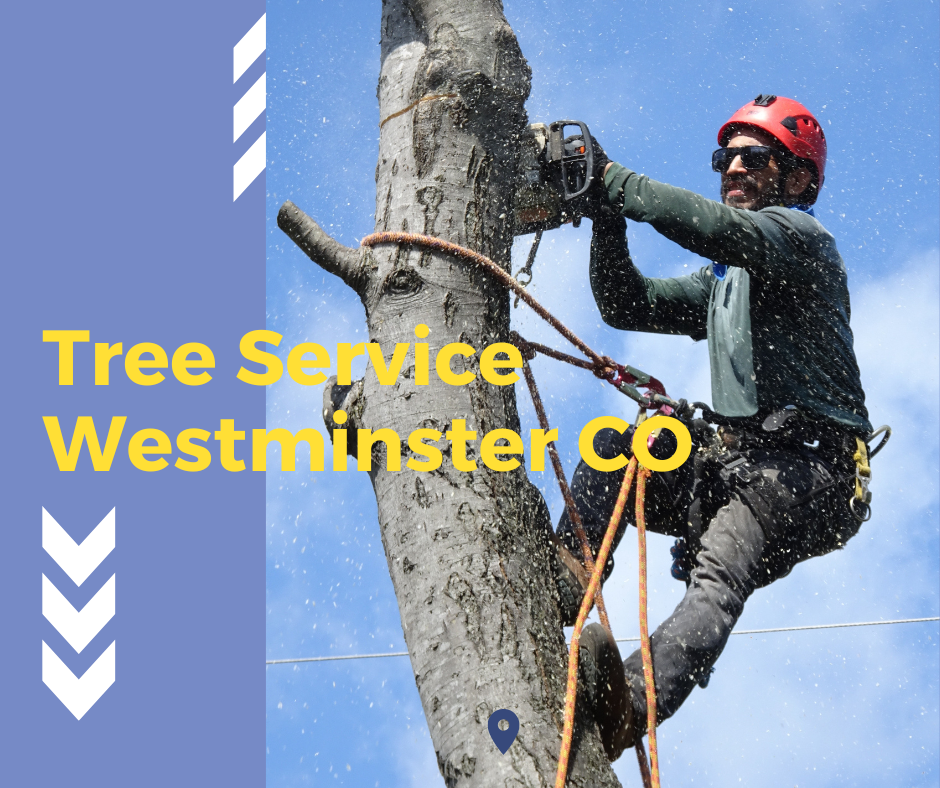
When a tree on your Westminster property becomes a safety concern, blocks construction plans, or has declined beyond recovery, removal is often the most practical solution. As part of our full range of tree services in Westminster, our tree removal process is built around a careful, methodical approach — from an initial look at the tree and its surroundings to full cleanup once the work is done.
Removing a tree is a significant decision, and not every problem tree needs to come down. Below, we walk through when removal is typically considered, what affects the complexity and scope of a job, and what to expect if you decide to move forward.
Tree removal typically comes into the conversation when a tree is dead or dying, has significant structural damage, or is growing in a location that conflicts with construction, utility lines, or building foundations. Trees that have suffered extensive storm damage, severe root damage, or advanced decay throughout the trunk are also common candidates for evaluation.
It’s worth noting that a tree showing some damage or an unusual lean isn’t automatically headed for removal. Many trees with partial dieback, minor lean, or isolated damage can be pruned, cabled, or otherwise treated to extend their life. An on-site evaluation is the most reliable way to determine when a tree should be removed versus treated or monitored for a specific tree.
Every removal job is a little different. Below is an overview of the situations that typically prompt an evaluation, the factors that shape how involved a job will be, and the general steps our team follows from the first visit to final cleanup.
Property owners commonly reach out about removal when a tree has died, when disease or pest damage has spread through a large portion of the canopy, or when storm damage has left a tree structurally unsound. Trees growing too close to a foundation, driveway, or utility line, or ones that are interfering with a planned addition or landscaping project, are also frequently evaluated for removal.
The size and species of the tree, its lean, and its overall condition all influence how a removal is approached. Proximity to structures, fences, power lines, or other trees adds another layer of planning, since limbs and sections often need to be lowered piece by piece rather than felled in one direction. Limited access — such as a backyard tree reachable only through a narrow side yard — can also add time to a project.
We typically start with a visit to assess the tree, the surrounding area, and any obstacles like structures or overhead lines. From there, we outline the approach and provide an estimate before any work begins. On the day of removal, the tree is taken down in sections or as a whole depending on the space available, then limbs and debris are cleared from the site.
Before removal begins, we take a close look at how equipment and crew will access the tree — whether that’s a wide-open front yard or a fenced backyard reachable only through a gate. Limited access can change how a tree is taken down, since sections may need to be lowered by hand or with rigging rather than dropped in open space.
Nearby structures, fences, sheds, gardens, and utility lines also factor into the plan. Once the tree is down, cleanup typically includes removing logs, chipping brush and smaller limbs, and clearing debris from the work area so the property is left tidy.
Cost factors: the price of a removal job depends on variables like the tree’s height and diameter, its condition, how difficult it is to access, its proximity to structures or power lines, and whether stump grinding or additional cleanup is included. Because every property and tree is different, we provide a free estimate after seeing the specific job.
Westminster sits along Colorado’s Front Range, where trees regularly deal with clay-heavy soils, seasonal drought, and swings between hot, dry stretches and heavy spring snow. These conditions can stress root systems and make some trees more prone to breakage or decline over time, particularly species that aren’t well suited to the local climate. Colorado State University Extension’s tree and shrub care resources offer additional research-based guidance on selecting and maintaining trees suited to these conditions.
High winds and sudden, heavy snowfall are also common in the area and can cause branch failure or structural damage with little warning. If a tree on your property has been affected by weather, an on-site look can help determine whether it can be pruned and monitored or whether removal is the more practical option.
If you have a tree that needs to be evaluated for removal, contact us today for a free estimate. Call 720-727-6652 or email info@treeservicewestminsterco.com and our team will schedule a time to take a look at your property in Westminster, CO and the surrounding area.
Signs that a tree may need removal include widespread dieback, a hollow or severely decayed trunk, extensive storm or root damage, or a location that conflicts with construction or utility lines. Because these signs can also indicate a treatable issue, an on-site evaluation is the most reliable way to confirm whether removal is actually necessary.
No. A lean by itself doesn’t automatically mean a tree must come down. Some trees have grown with a natural lean for years and remain structurally sound, while others may show a sudden change in lean that signals root failure. The surrounding soil conditions, root health, and how long the lean has been present all factor into the assessment.
Cost is influenced by the tree’s height and trunk diameter, its species, its condition, and how difficult it is to access. Proximity to structures, fences, or power lines can add complexity, as can the need for specialized rigging when a tree can’t simply be felled in an open direction. Stump grinding and additional debris removal are often priced separately from the removal itself.
Unless stump grinding or removal is included as part of the job, the stump is typically left in place after the tree is taken down. Stump grinding can usually be added to a removal job or scheduled separately if you’d like the stump cleared from your property afterward.
When a tree is in a backyard, behind a fence, or otherwise hard to reach with standard equipment, the job often takes more time and planning. Sections of the tree may need to be lowered by hand or with ropes and rigging rather than dropped in open space, and larger equipment may not be able to reach the site at all, which can change the overall approach.
Before removal, expect a visit to assess the tree, discuss the plan, and provide an estimate. During the job, the crew will section or fell the tree depending on the space available. Afterward, cleanup typically includes clearing logs, chipping brush, and removing debris from the site, leaving the area tidy unless other arrangements, like leaving firewood, are discussed in advance.
Tree Service Westminster CO is a locally owned company providing reliable tree care for homes and businesses in Westminster, Colorado. Our ISA-certified arborists offer tree trimming, stump grinding, planting, disease management, and other professional services. We are fully licensed and insured, with a focus on safe, effective, and environmentally responsible tree care.
Copyright 2026 Tree Service Westminster CO| All RIghts Reserved