-
720-727-6652 -
help@businessname.com -
Mon – Fri: 10:00 – 18:30
Facebook-f
Twitter
Google-plus-g
Instagram
Youtube
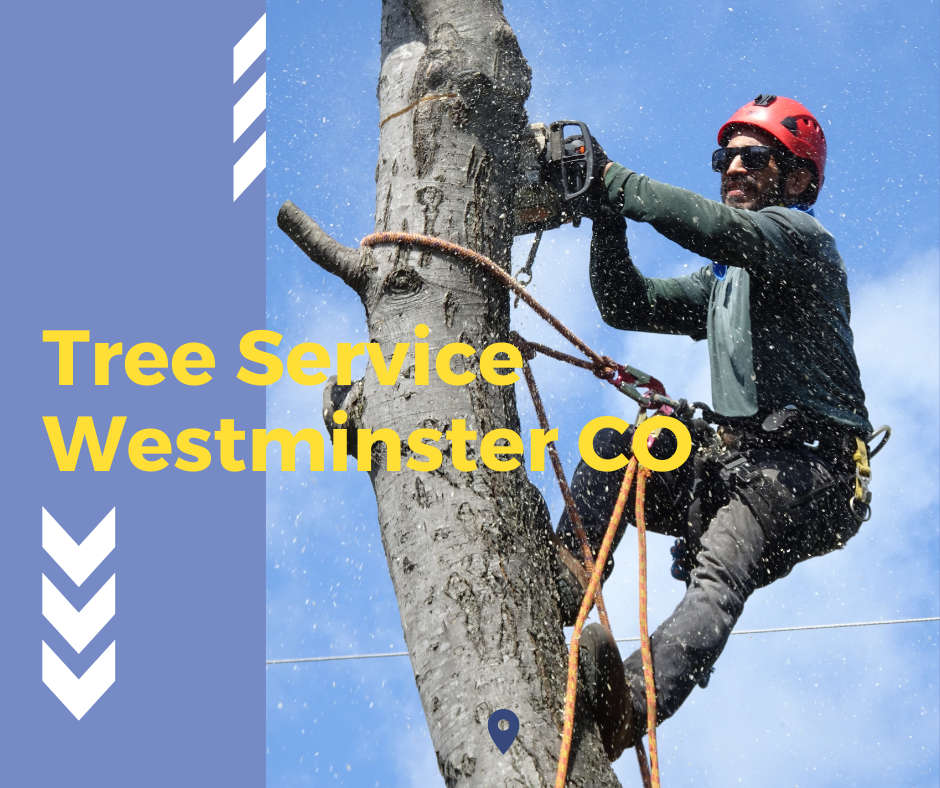
Forestry Mulching Wheat Ridge CO
Forestry Mulching is a land management approach that clears brush and small trees without removing the top layer of soil. Many property owners choose Forestry Mulching when land becomes overgrown and difficult to access. Overgrowth can hide rocks, holes, and buried fence lines. This makes land unsafe for people and animals. Thick brush can also block drainage paths during storms. In Colorado, fast weather changes can make unmanaged land worse each year. Forestry Mulching helps control growth while protecting the soil. It leaves organic material on the ground as mulch. This helps reduce erosion and supports healthier land.
Unmanaged land often becomes a lasting challenge for homeowners. Brush grows back faster when soil is disturbed too much. Traditional clearing can leave open soil surfaces. Bare soil can wash away during intense rainfall. Forestry Mulching avoids that issue by keeping the soil covered. The mulch layer helps hold soil moisture steady. It also slows down new weed growth. Many locals prefer this method for ongoing land care. Forestry Mulching supports steady and balanced property management.
People often ask if Forestry Mulching is right for their land. It works well for uneven terrain and tree-covered properties. Slopes and rocky ground are easier to manage with this method. Heavy equipment does not need to dig deep. This lowers the risk of damage to the land. In Colorado, wind and snow can affect exposed soil. Mulched ground holds together better through seasons. Forestry Mulching also improves access to property. It makes land easier to inspect and maintain.
Over 70  Reviews from Our Customers
720-727-6652
Forestry Mulching Wheat Ridge, CO
Forestry Mulching Wheat Ridge, CO is shaped by local terrain and climate. Many properties here include slopes and varied soil composition. These conditions require a measured approach. Colorado weather can switch between low-moisture and wet conditions quickly. Forestry Mulching helps land handle these changes better. The mulch layer protects soil during rain and snow. It also reduces dust during dry periods. Forestry Mulching Wheat Ridge, CO is often used on residential and rural land. Local experience helps guide proper results.
Timing matters when planning Forestry Mulching. Spring and fall are common seasons for this work. These times offer stable ground conditions. Missouri-specific conditions like persistent moisture show what happens when timing is ignored. Wet soil can compact and cause long-term damage. Learning from those conditions helps locals plan smarter. Dry but calm days allow cleaner mulching. Good timing protects both soil and equipment. Forestry Mulching benefits from thoughtful scheduling.
Homeowners also ask how much land can be mulched at once. The answer depends on how thick the growth is and how accessible the site is. Thick brush takes more time to process. Steep areas may require slower work. Planning helps avoid rushed results. Forestry Mulching is done in planned passes. This keeps mulch evenly spread. Clean coverage supports soil health. A steady approach leads to better outcomes.
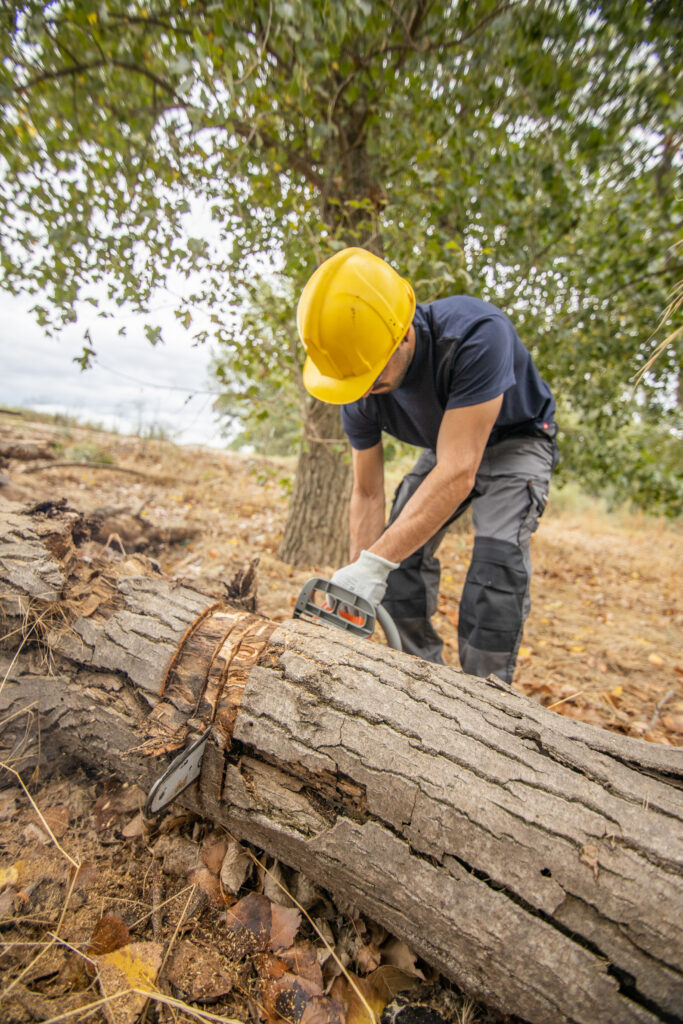
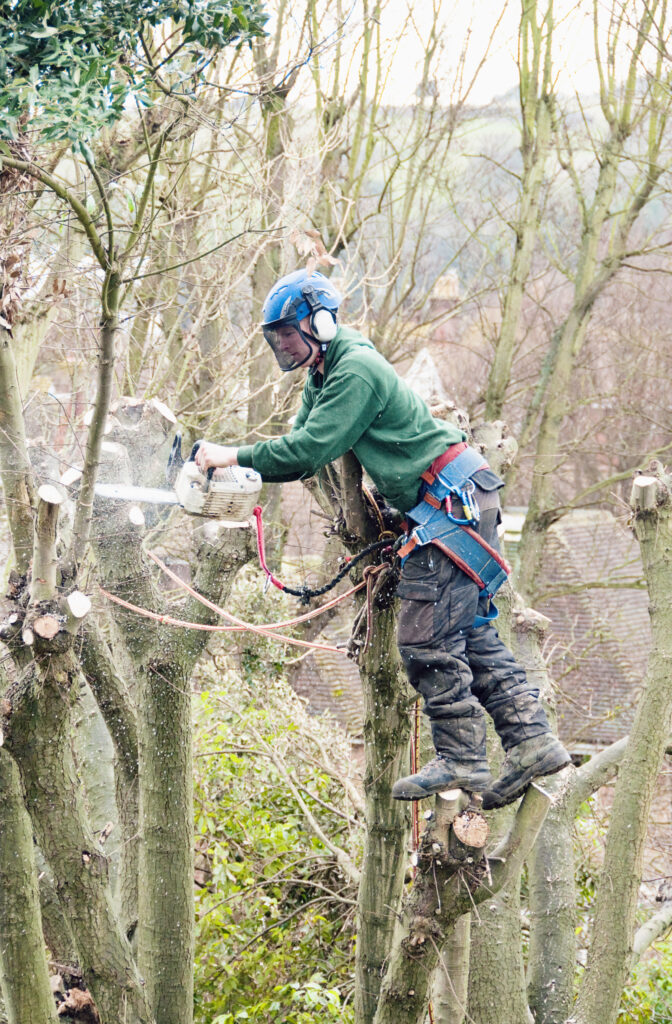
Problems Forestry Mulching Helps Solve
Overgrown land often creates water flow issues. Dense roots and brush block natural water paths. Water may pool after storms. In winter, pooled water can freeze and cause ground movement.
Forestry Mulching clears growth while leaving soil intact. Mulch absorbs water and slows runoff. This helps improve water absorption. Missouri-specific flooding issues show the risk of poor drainage. Learning from those events helps protect Colorado land.
Fire risk is another serious consideration. Dead vegetation and light growth can burn with little warning. Wind can push flames across uncleared areas.
Forestry Mulching limits fire fuel by processing vegetation into mulch. Mulch lies low and holds moisture longer. This lowers the chance of fast-spreading fire. During hot and dry summer months, this matters. Wildfire examples from Missouri show how unmanaged land burns quickly. Reduced fuel supports better fire protection.
Pests also multiply in thick growth. Rodents and insects seek shelter in heavy brush. These pests may move closer to homes.
Forestry Mulching removes dense cover they rely on. Managed property is easier to inspect. Limited cover help control pest populations. Balanced ground conditions supports stronger native vegetation. This helps native plants grow more effectively. Forestry Mulching improves general land health.
What Happens During Forestry Mulching
The Forestry Mulching process begins with a initial assessment. This helps identify slopes, access points, and hazards. Planning prevents damage to nearby areas. Equipment is chosen based on land layout and overgrowth.
Mulching machines break down trees and brush. Trees and brush are mulched without removal. This avoids hauling debris away. The mulch is left as a protective layer. Each step supports ground stability.
During mulching, work moves in phases. This keeps coverage balanced. Operators adjust depth to protect roots and soil. Heavy vegetation are handled slowly. Less dense areas is processed more quickly.
Dust control may be needed in low-moisture conditions. Noise is minimized to limit disruption. Forestry Mulching is steady, not rushed. Careful work leads to better land recovery.
After mulching, the land is reviewed. Mulch depth is evaluated for consistency. Uneven areas may be reworked. Drainage paths are evaluated. This helps prevent future drainage problems.
Erosion issues seen in Missouri show why this matters. Poor coverage can lead to runoff. Final checks support long-term land health. A finished site is easier to maintain.
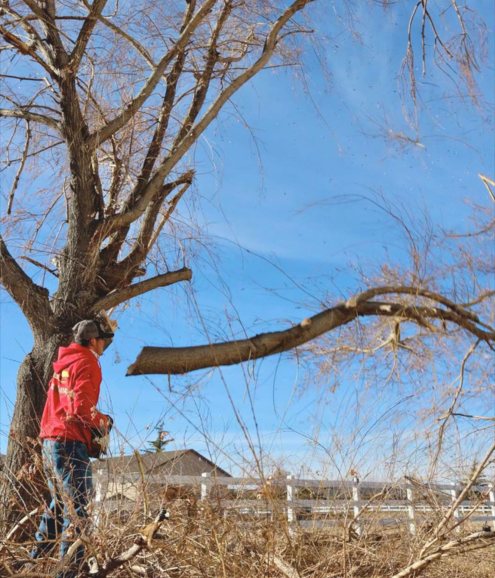
Caring for Mulched Land Over Time
Mulched land still needs ongoing care. New growth can appear over time. Routine upkeep helps maintain balance. Seasonal checks identify problems quickly.
Spring often brings fast plant growth. Fall may add fallen debris. Colorado weather shifts can affect soil stability. Mulch helps protect soil during these changes. Regular care keeps land functional.
Water management remains important after Forestry Mulching. Mulch helps absorb rainfall. Proper grading supports drainage. Simple adjustments prevent pooling. These steps matter during intense rainfall.
Rainfall issues seen in Missouri show what poor planning causes. Learning from those conditions helps locals prepare better. Stable land handles weather more safely. Ongoing care protects soil health.
Periodic inspections help identify developing issues. Trees at edges should be evaluated regularly. Roots may lose support. Addressing this early prevents hazards.
Managed areas allows easy access. This improves safety for families and visitors. Forestry Mulching is not a set-it-and-forget-it solution. Maintenance keeps land healthy. Trusted local knowledge guides ongoing maintenance.
Testimonials
Their ISA certified arborists provided expert advice, and their attention to detail in pruning and trimming was outstanding. Highly recommend their services for anyone in Westminster!

John
As a potential new client, I was impressed by how responsive and professional the team was. Their stump grinding service was efficient, and they left my property spotless. Fantastic job!

Brown
Being a homeowner in Boulder County, I needed a reliable tree care specialist for disease management. The team’s knowledge and care exceeded my expectations. Thank you for your excellent work!

Leon
Get Quick Estimate
At Tree Service Westminster CO, we are a locally owned and operated company dedicated to providing top-quality tree care services in Westminster, Colorado, and the surrounding areas. With a team of ISA certified arborists, we specialize in everything from tree trimming and stump grinding to tree planting and disease management. As a full-service tree company, we take pride in delivering reliable, safe, and eco-friendly solutions tailored to meet the unique needs of residential and commercial clients. Our commitment to excellence, combined with our extensive knowledge of local ecosystems, ensures the health, beauty, and longevity of your trees. Fully licensed and insured, we strive to exceed expectations with every project while enhancing the natural landscapes of our community.
QUICK LINKS
-
Home
-
Contact
-
Service -
Tree Removal
-
Tree Trimming
CONTACT US
-
Westminster CO -
720-727-6652 -
info@treeservicewestminsterco.com -
10 AM to 6 PM (Monday to Friday)
Copyright 2024 Tree Service Westminster CO | All RIghts Reserved