- 720-727-6652
- info@treeservicewestminsterco.com
- Mon - Fri: 10:00 - 18:00
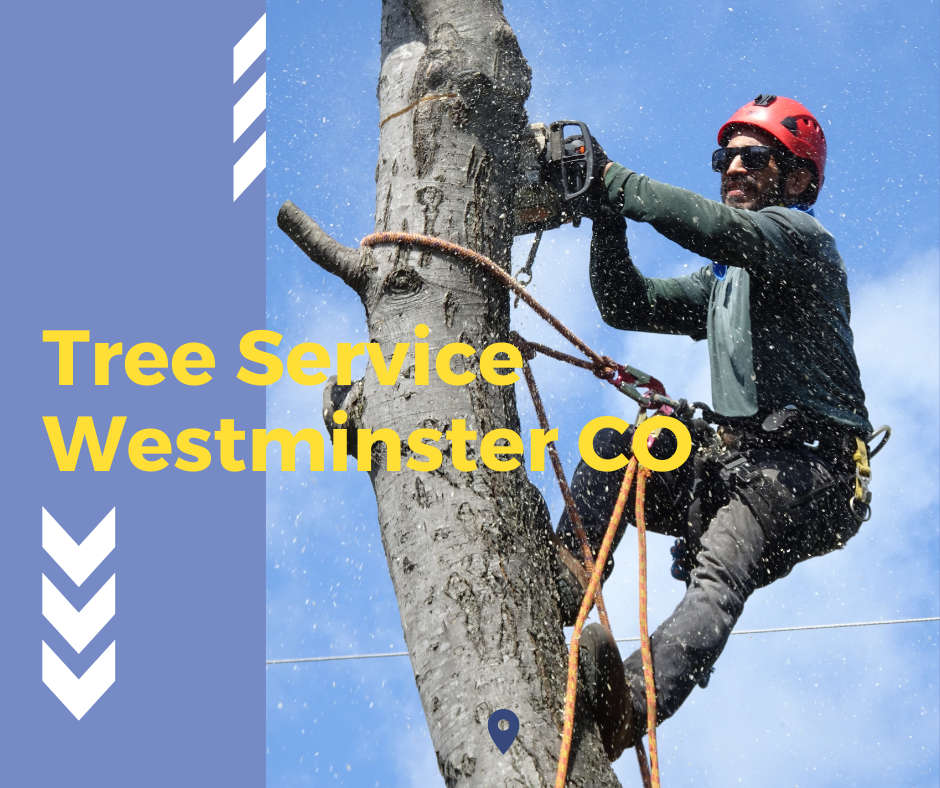
Deadwood removal is the selective removal of dead branches and dead limbs from a standing tree, leaving the living canopy and overall structure in place. It is a distinct service from dead tree removal, which addresses an entire tree that has died, and it is more specific than general tree branch removal or tree pruning, which can also involve live wood. Deadwood removal focuses only on the branches that are no longer alive.
Dead limbs can develop in a tree for many reasons, including age, disease, storm damage, drought stress, or shading within a dense canopy. As a tree matures, some interior or lower branches naturally stop receiving enough light and die back, a process sometimes called branch dieback. Removing this deadwood selectively helps maintain a cleaner canopy and addresses dead branches that may be positioned over driveways, walkways, buildings, or other frequently used areas of a Westminster property.
Deadwood removal is generally considered when dead branches are visible within an otherwise living canopy, when a mature tree has accumulated dead limbs over time, or when specific dead branches are positioned over a driveway, walkway, patio, or building. It is important to distinguish this service from related but different tree care work. Dead tree removal applies when the entire tree has died and needs to come down, while tree branch removal and tree pruning can involve cutting live wood for shaping, clearance, or canopy management. Deadwood removal, by contrast, is limited to branches and limbs that are already dead.
Selective removal of dead branches can improve the appearance of the canopy and reduce the number of dead limbs that could eventually separate from the tree on their own. This is particularly relevant in Westminster, Colorado, where seasonal wind, snow load, and temperature swings can affect how and when a dead branch comes loose. Addressing visible deadwood in the canopy through selective pruning allows the rest of the tree’s live structure to remain undisturbed.
A tree inspection can help identify which branches within a canopy are dead and where they are located before any deadwood removal begins. This step matters because dead branches are not always easy to spot from the ground, especially in a full canopy during the growing season, and distinguishing a dead limb from a dormant or stressed live branch takes some observation. In Westminster, Colorado, local conditions such as drought stress and temperature swings can contribute to branch dieback in mature trees.
Where there are broader concerns about a tree’s overall condition, a tree health assessment may be appropriate in addition to, or instead of, a tree inspection focused only on deadwood. A tree health assessment looks more broadly at the tree’s condition, while a tree inspection is often used to document specific branches for removal. Either can help determine whether deadwood removal alone addresses the situation or whether other tree maintenance is also needed.
Visible deadwood in the canopy typically appears as branches without leaves during the growing season, brittle or peeling bark, or limbs with a noticeably different color or texture than the surrounding live wood. Dead branches can occur singly or in small clusters, often in the interior of the canopy or toward the lower portion of a mature tree where branches have been shaded out over time.
Not every dead branch requires immediate removal, but deadwood that overhangs a driveway, walkway, patio, or building is generally a higher priority because of how often that area is used. Selective removal of these specific dead branches addresses the deadwood without affecting the tree’s living canopy or overall shape.
Deadwood removal is intentionally selective. Rather than reshaping the canopy or removing live wood for clearance, the work is limited to the specific dead branches and dead limbs identified during inspection. This keeps the process distinct from tree pruning or tree branch removal, which can involve broader objectives such as canopy shaping or clearance beneath the tree.
Because dead branches vary in size, some deadwood removal involves small twigs and secondary branches, while other situations involve larger dead limbs that require more careful cutting near the trunk. The right approach depends on where the deadwood is located and how it is attached to the rest of the tree.
Several factors affect how deadwood removal is approached for a given tree. Tree condition is a starting point — a tree that is otherwise healthy with isolated dead branches is a different situation than a tree showing widespread dieback, which may be worth a closer look. Branch size and location also matter: a small dead twig near the branch tip is handled differently than a large dead limb near the trunk or over a structure.
Access and the surrounding property play a role as well. Dead branches over a driveway, roofline, fence, or frequently used walkway may need to be prioritized, and the approach used can depend on how much clearance is available around the tree. Every property in Westminster is a little different, which is why deadwood removal is generally evaluated tree by tree rather than with a one-size-fits-all approach.
Deadwood removal is a common part of caring for mature trees. As trees age, it is normal for some branches, particularly in the lower or interior portions of the canopy, to die back while the rest of the tree remains healthy. Removing this deadwood does not require reshaping the tree or cutting into the live canopy, which makes it a comparatively conservative type of work for an older, established tree.
For a large, established tree in Westminster, deadwood removal can address dead limbs that have built up over several seasons, particularly if some of those limbs are positioned over a driveway, walkway, or building. Ongoing tree maintenance, including periodic checks for new deadwood, can help keep a mature tree’s canopy in good condition over time.
Trees on Westminster properties can accumulate dead branches over time as a result of age, drought stress, shading, or storm damage, and deadwood removal is the service that addresses those dead limbs directly. Whether you have noticed a few dead branches in the upper canopy or deadwood hanging over a driveway or walkway, deadwood removal service focuses specifically on removing what is already dead while leaving the rest of the tree undisturbed.
Deadwood removal is distinct from dead tree removal, tree branch removal, tree pruning, and general tree maintenance, though it can overlap with all of them depending on the tree. If you are unsure whether a tree needs deadwood removal, a broader round of tree branch removal, or a tree health assessment, a professional evaluation can help clarify the right approach for that specific tree.
Call 720-727-6652 to discuss a specific tree, the dead branches you have noticed, and where they are located in the canopy. We can talk through whether deadwood removal, a tree inspection, or a broader service is the right starting point for your property in Westminster, Colorado.
Remember, for dead branches contacting or dangerously close to electrical lines, stay clear and contact the appropriate utility or emergency authority immediately. Safety is always the top priority in professional tree care.
Deadwood removal is the selective removal of dead branches and limbs from a standing tree. It focuses on dead portions of the canopy rather than removing the entire tree. The work can involve individual dead branches or multiple areas of deadwood, depending on the tree’s condition, structure, and location.
Dead branches can deteriorate over time and may eventually fall. How much concern they present depends on factors such as their size, condition, position, and what is beneath them. Dead branches over walkways, driveways, buildings, or frequently used areas may deserve particular attention.
Deadwood removal is a specific type of pruning focused on removing dead branches and limbs. Tree pruning is a broader service that may also address branch structure, clearance, crossing branches, damaged growth, or other tree-care objectives. Deadwood removal therefore has a more specific purpose.
No. Deadwood removal selectively removes dead branches or limbs from a tree that remains standing. Dead tree removal involves removing an entire tree that is dead. An individual tree can contain some dead branches without the whole tree necessarily being dead.
Not necessarily. Individual branches can die for different reasons while other parts of the tree remain alive. However, significant, widespread, or unexplained branch dieback may indicate that the tree needs closer evaluation. A tree inspection or health assessment can help examine its overall condition.
Dead branches can often be selectively removed from mature trees. The appropriate approach depends on factors such as branch size, position, tree structure, overall condition, access, and surrounding property. Large or difficult-to-access dead branches may require more careful planning than smaller accessible branches.
Tree Service Westminster CO is a locally owned company providing reliable tree care for homes and businesses in Westminster, Colorado. Our ISA-certified arborists offer tree trimming, stump grinding, planting, disease management, and other professional services. We are fully licensed and insured, with a focus on safe, effective, and environmentally responsible tree care.
Copyright 2026 Tree Service Westminster CO| All RIghts Reserved