- 720-727-6652
- info@treeservicewestminsterco.com
- Mon - Fri: 10:00 - 18:00
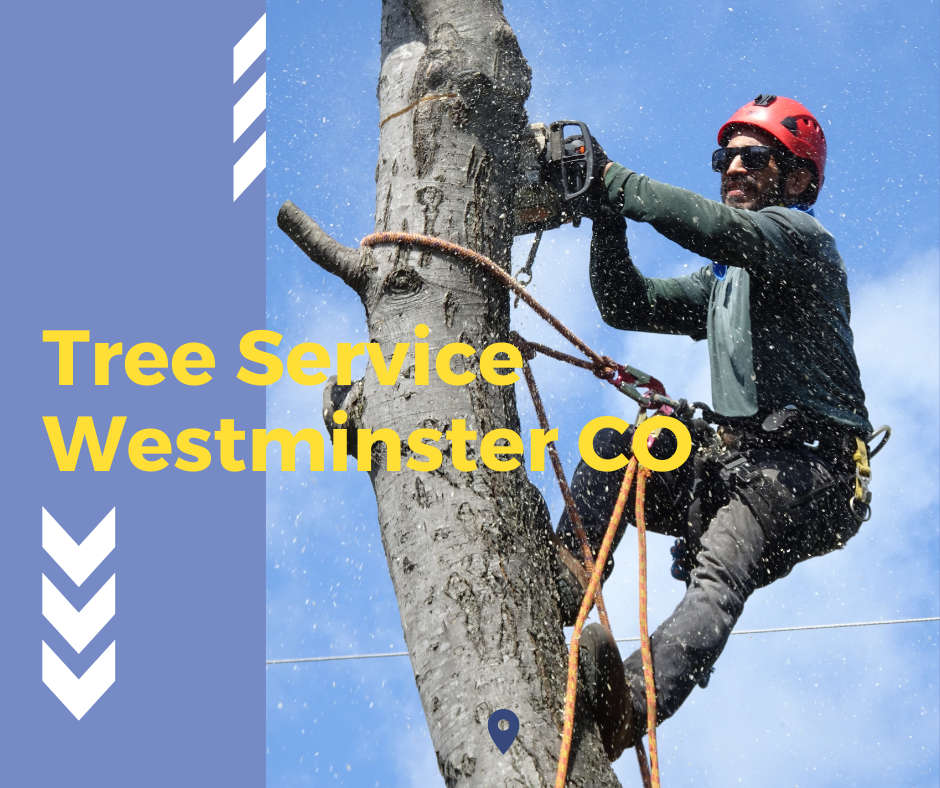
Tree branch removal in Westminster, CO addresses individual limbs that are dead, broken, damaged, or otherwise creating a concern, without removing the entire tree. A tree can otherwise be healthy while still carrying one or two problem branches, whether from age, storm exposure, disease, or ordinary wear over time.
Not every branch that looks imperfect needs to come off, and cutting large or overhead limbs safely takes training and the right equipment. If you are unsure whether a branch on your property should be removed, avoid climbing or cutting it yourself. Our tree services in Westminster start with a look at the specific branch, its condition, and what is nearby before any work begins.
A branch may need removal for reasons that have nothing to do with the rest of the tree. Dead branch removal is often considered when a limb has stopped producing leaves, lost its bark, or become brittle, since dead wood can fail without warning even when the surrounding canopy looks healthy. Broken branch removal usually follows wind, heavy snow, or another stress event that has cracked or partially detached a limb but left it hanging in the canopy.
Other candidates for branch removal include cracked or split limbs, branches with visible decay or included bark at the point where they meet the trunk, and low or overhanging branches that interfere with roofs, driveways, walkways, or everyday access to a property. A single damaged branch does not necessarily mean the tree itself is unhealthy, but the branch’s condition and location should be assessed before deciding whether removal, rather than pruning or monitoring, is the right next step.
A tree inspection can document a branch’s condition, including cracks, bark loss, decay, and how it is attached to the trunk. A tree risk assessment looks further at what the branch could affect if it failed, including nearby structures, vehicles, or areas people regularly use. Together, this evaluation helps determine whether a specific branch should be removed, monitored, or left as part of a broader pruning plan.
Homes, roofs, driveways, walkways, parked vehicles, and frequently used outdoor areas are common targets when a branch is damaged, hanging, or growing too close. Branch clearance from a roofline or gutter is often the reason removal is requested, even when the rest of the tree needs no other attention. A branch’s proximity to these areas is a key factor in deciding how soon removal should happen.
A cracked or split limb, or a branch that has broken loose but remains caught in the canopy, is one of the more urgent situations in branch removal. These branches can shift or drop with little warning, and their exact condition is often difficult to judge from the ground. CSU Extension’s guidance on pruning mature shade trees explains how branch attachment and structure affect a tree’s long-term condition. Avoid working underneath a hanging or unstable branch and do not attempt to cut it loose yourself.
A large limb that is actively shedding wood, showing a fresh split, or hanging directly over an occupied area may call for emergency tree service rather than a routine appointment. Stay clear of the branch and contact emergency authorities if people face immediate danger. For a branch touching or dangerously close to power lines, keep away and contact the appropriate utility or emergency authority rather than approaching it.
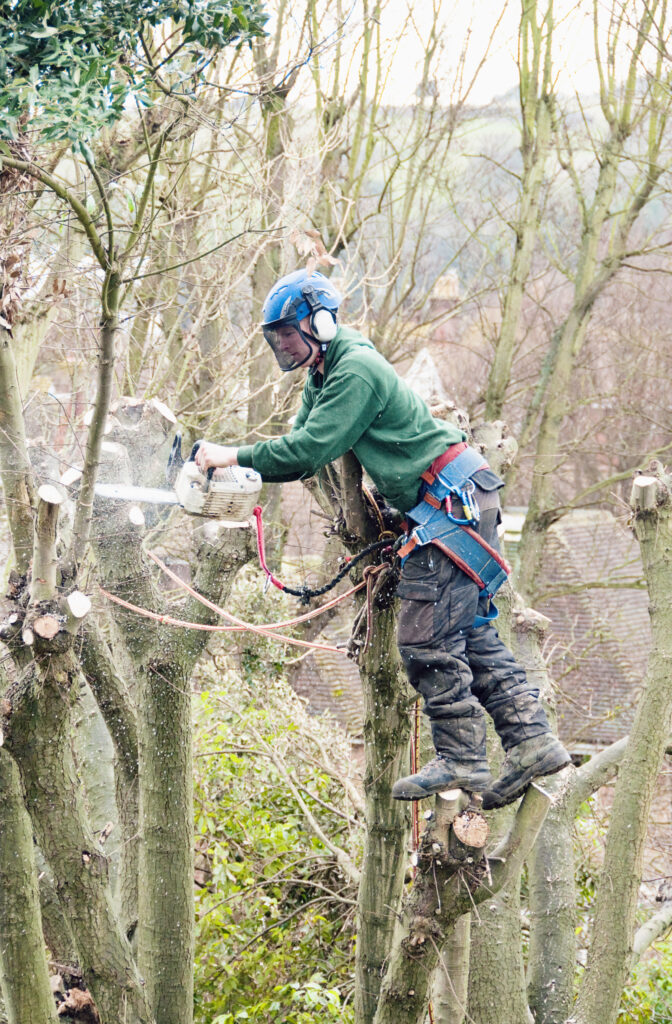
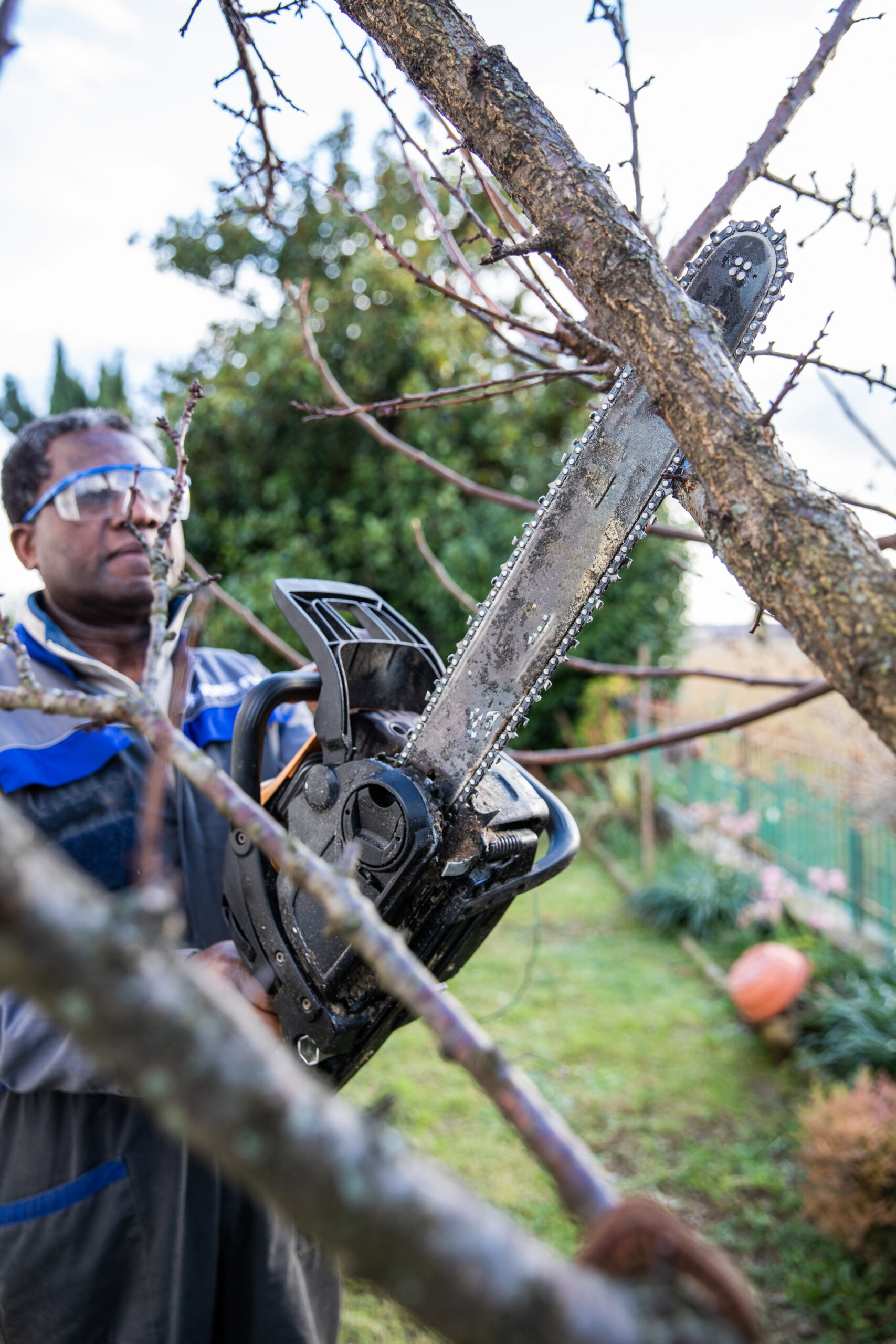
Tree branch removal should include a clear explanation of which branch or branches are covered, how they will be cut down safely, and how surrounding property will be protected during the work. Branch height, diameter, weight, access, and proximity to a roof, fence, or power line can all affect the scope and approach for a given job. A single large limb over a driveway may require different handling than several smaller dead branches scattered through a canopy.
Agree beforehand on hauling cut branches and smaller debris, or on retaining wood by request. Removing a problem branch does not automatically include broader canopy work, so if a tree has multiple areas of concern beyond one limb, a tree pruning visit may be the more suitable option. Confirming cleanup expectations in advance helps define when the agreed branch removal work is complete.
Westminster’s Front Range climate, including strong wind, wet spring snow, and extended dry periods, can stress individual branches even on an otherwise healthy tree. These conditions can contribute to cracked limbs, hanging branches, and dead wood in the canopy, but the branch’s actual condition, not the weather event alone, determines whether removal is warranted.
This page concerns removing individual problem branches or limbs. Branch removal can be one component of a broader tree pruning visit, which addresses a tree’s overall structure, health, and clearance, while this service focuses specifically on taking down one or more branches that need to come off. If an entire tree has died, see dead tree removal. If a tree has already come down, fallen tree removal addresses that different situation. Keeping these needs distinct helps clarify the requested work.
Call 720-727-6652 to discuss a specific branch, its condition, and what is nearby. Ask about the proposed removal scope, debris handling, and scheduling. Share existing photos or observations without climbing the tree or approaching an unstable branch yourself.
A branch is typically a candidate for removal when it is dead, broken, cracked, split, or hanging loosely in the canopy, or when it interferes with a roof, driveway, walkway, or other regularly used area. An evaluation of the branch’s condition and location helps confirm whether removal, rather than pruning or monitoring, is the appropriate step.
Often, yes. Dead branches can become brittle and detach without warning, even on a tree that is otherwise healthy. Their location relative to homes, driveways, and walkways affects how much of a concern they present and how soon removal should be scheduled.
Stay clear of the branch and avoid working underneath it, since a broken or hanging limb can shift or fall with little warning. Do not attempt to cut it loose or climb the tree yourself. Contact a professional to assess the branch and remove it safely.
Not exactly. Branch removal focuses on taking down one or more specific problem limbs, while pruning is a broader practice that addresses a tree’s overall structure, health, and clearance. Removing a branch can be one part of a pruning visit, but this service specifically targets individual branches that need to come off.
Yes. Overhanging and low branches affecting a roof, driveway, walkway, or other structure are common reasons for branch removal. This work requires careful planning so the limb can be cut and lowered without contacting the structure below.
Cut branches and smaller debris are typically hauled away as part of the agreed scope, and cleanup should be confirmed before work begins. If you would like to keep sections of wood, let us know in advance so that can be arranged.
Tree Service Westminster CO is a locally owned company providing reliable tree care for homes and businesses in Westminster, Colorado. Our ISA-certified arborists offer tree trimming, stump grinding, planting, disease management, and other professional services. We are fully licensed and insured, with a focus on safe, effective, and environmentally responsible tree care.
Copyright 2026 Tree Service Westminster CO| All RIghts Reserved