DEAD TREE REMOVAL

Dead Tree Removal in Westminster, CO

Over 70 ⭐⭐⭐⭐⭐ Reviews from Our Customers

Dead tree removal is the process of removing an entire tree that has died, rather than addressing only part of its canopy. It is a different service than deadwood removal, which selectively removes dead branches or dead limbs while the rest of the tree remains standing and living. When a whole tree has died, removal of the entire tree, including the trunk, is generally the appropriate solution rather than ongoing maintenance.

Trees can die for a variety of reasons, including age, disease, root damage, drought stress, or storm damage, and the cause is not always obvious without a closer look. Professional tree removal in Westminster addresses dead trees safely, taking into account the tree’s size, condition, structure, and its location relative to houses, driveways, walkways, fences, and other property features.

Deadwood Removal in Westminster CO

Signs a Tree May Be Dead

Several signs may indicate that a tree, or substantial portions of it, are dead. These can include a lack of leaves during the growing season, brittle branches that snap easily, peeling or missing bark, fungal growth at the base, or a trunk that appears hollow or significantly decayed. However, no single symptom on its own confirms that an entire tree is dead. A tree can show dead branches in one area while other parts remain alive, which is why a full evaluation matters before deciding on removal.

Because dead trees can look different depending on the species, the season, and how long the tree has been declining, it is not always possible to determine tree health from a quick glance. A closer inspection helps distinguish between a tree with isolated dead limbs, which may be addressed through deadwood removal, and a tree that has died throughout and is a candidate for complete removal.

Evaluating a Tree Before Removal

A tree inspection can help confirm whether a tree is dead throughout or whether the issue is limited to certain branches. This evaluation looks at the trunk, root area, bark condition, and canopy to build a clearer picture of the tree’s overall condition. Where there is concern about instability, decay, or the potential for a dead tree to fail, a tree risk assessment may be a relevant next step, since it considers factors such as structural integrity and the tree’s proximity to people and property.

These evaluations help determine whether complete dead tree removal is the appropriate course of action, or whether a more limited response, such as deadwood removal or general tree pruning, addresses the situation. Not every dead-looking tree requires full removal, and not every tree with dead branches is dying, so this step is an important part of deciding how to proceed for a specific tree in Westminster, Colorado.

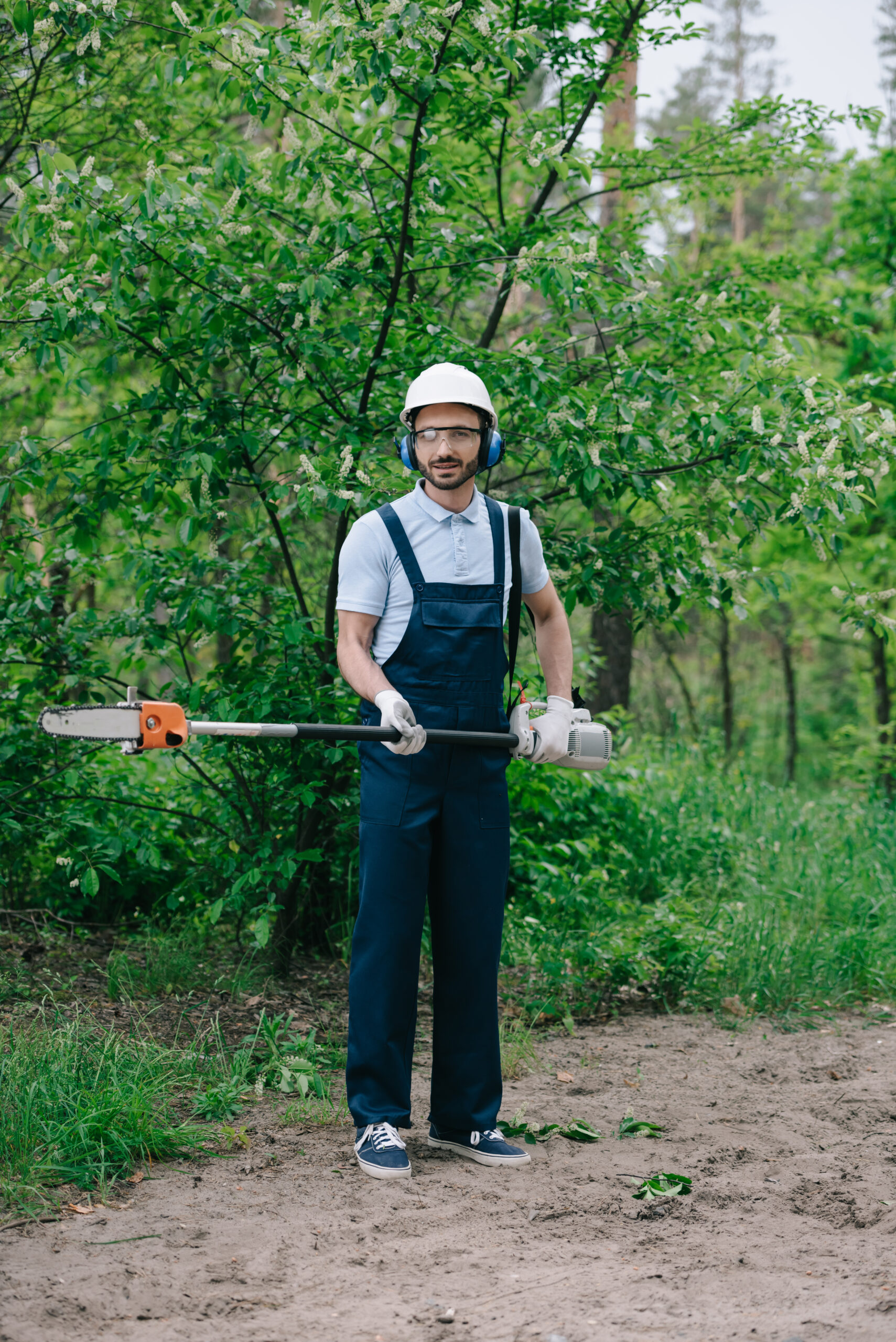
Tree worker holding a pole saw beside leafy trees

Dead Trees Near Homes and Driveways

A dead tree near a house or driveway generally deserves closer attention because of what is beneath or nearby if the tree or its limbs were to come down. Dead wood loses flexibility over time and can become more prone to breaking than living wood, and an entire dead tree carries more weight and structural uncertainty than a single dead branch. The level of concern depends on the tree’s size, its lean, its distance from the structure, and its overall condition.

Removing an entire dead tree near a home or driveway is different from deadwood removal, which only addresses specific dead branches on an otherwise living tree. When the whole tree has died, targeted branch work is generally not a long-term solution, and full removal is typically the more appropriate approach.

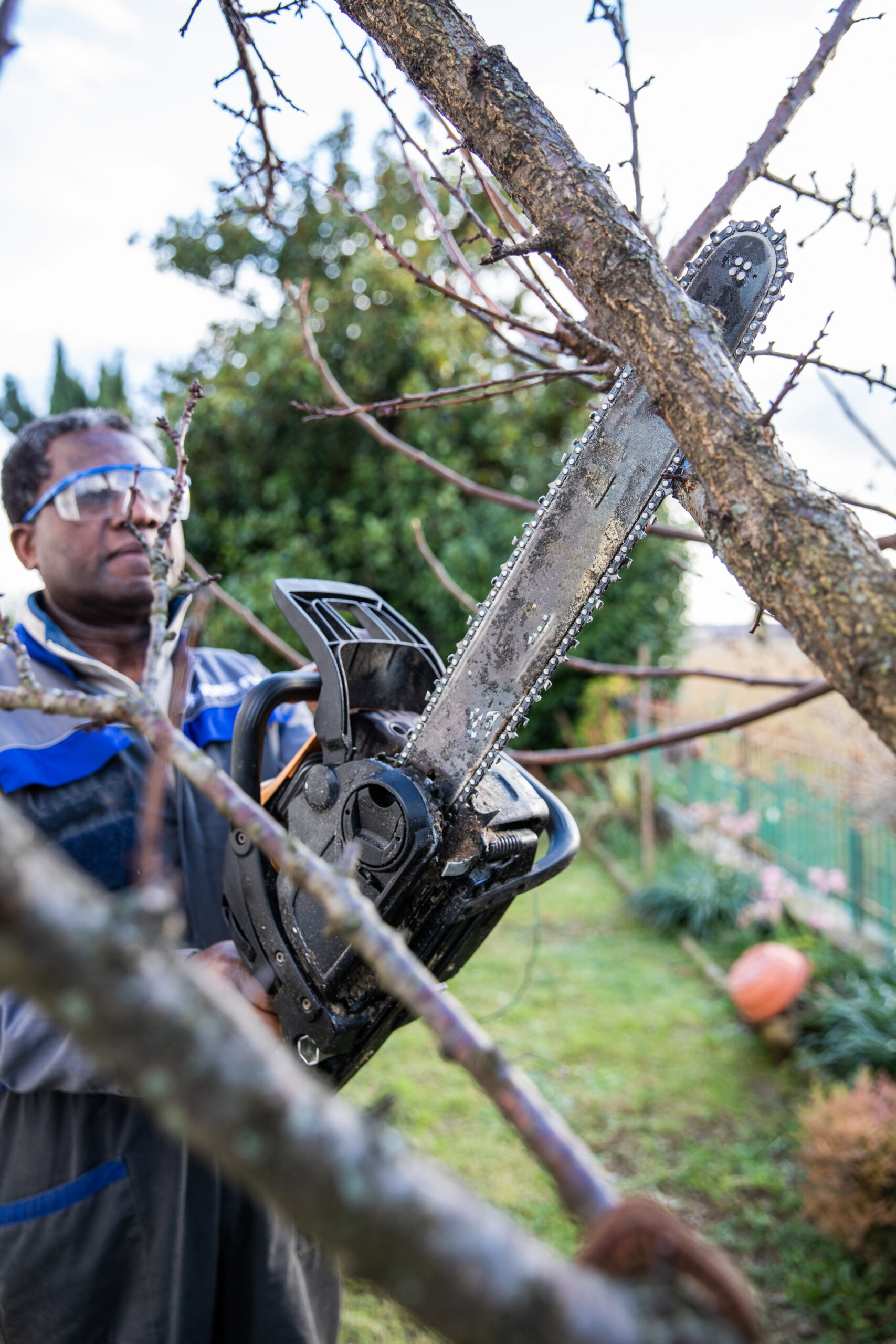
Worker using a saw on a tree branch

Dead Trees Near Walkways, Fences, and Other Property Features

Dead trees positioned near walkways, fences, sheds, or other property features present their own considerations. Deteriorating trunk structure and dead branches can affect how a tree behaves during wind or snow, and the surrounding property often shapes how removal is planned and carried out. A dead tree along a shared property line or near a fence, for example, may require extra coordination for access and cleanup.

Every property is laid out differently, so the approach to a dead tree near a walkway or fence in one yard may not match the approach for a similar tree in another location. Access to the tree, nearby structures, and available space to work all factor into how removal is completed safely.

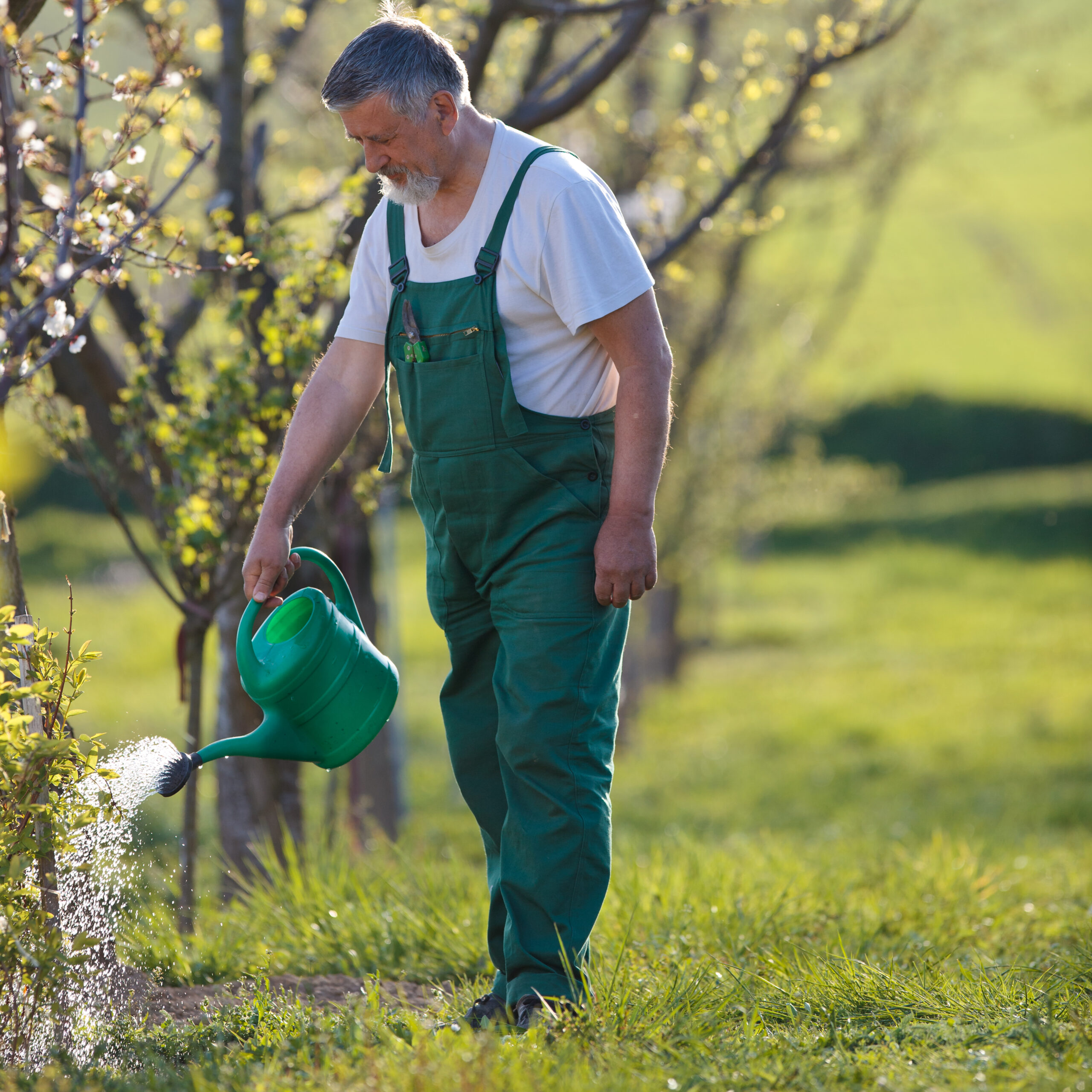
Gardener watering plants beside a tree

Factors Affecting Removal Complexity

Not every dead tree presents the same level of risk or the same removal complexity. Factors that can affect the approach include the tree’s size and species, whether it is a mature dead tree with substantial trunk diameter, how much the tree is leaning, the condition of the surrounding property, and how much access is available for equipment and safe work. A mature dead tree in an open yard is generally a different undertaking than a dead tree wedged close to a house, fence, or power line.

For any tree contacting or dangerously close to electrical lines, the safest approach is to stay clear of the area and contact the appropriate utility or emergency authority rather than attempting to assess or manage the situation directly.

After Removal: Stump and Debris Considerations

Removing a dead tree does not automatically include stump removal or full extraction of the root system, since these are typically separate considerations. Once the tree itself is down, the stump remains in place unless additional stump removal or stump grinding is requested. Property owners often address the stump at the same time as the tree, but it is worth discussing separately, since stump grinding and stump removal each involve their own process.

Debris and cleanup are also part of what happens after a dead tree is removed. The trunk, branches, and any brush need to be cut down to manageable material and cleared from the property. How debris is handled can vary depending on the size of the tree and the property owner’s preferences, so it is worth discussing cleanup expectations as part of planning the removal.

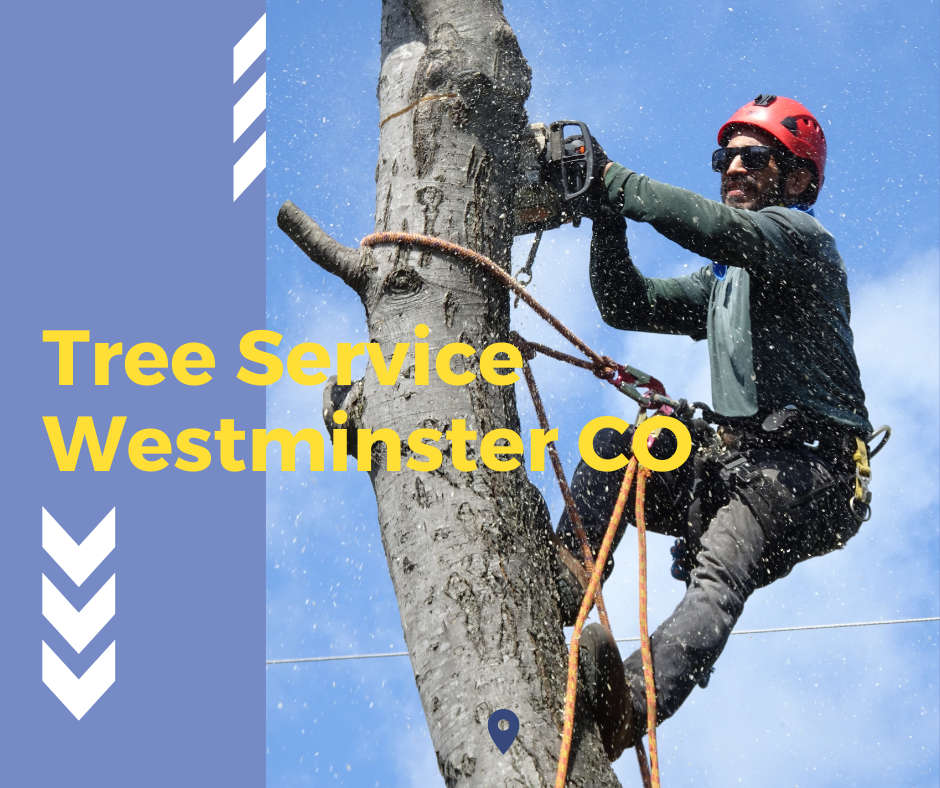
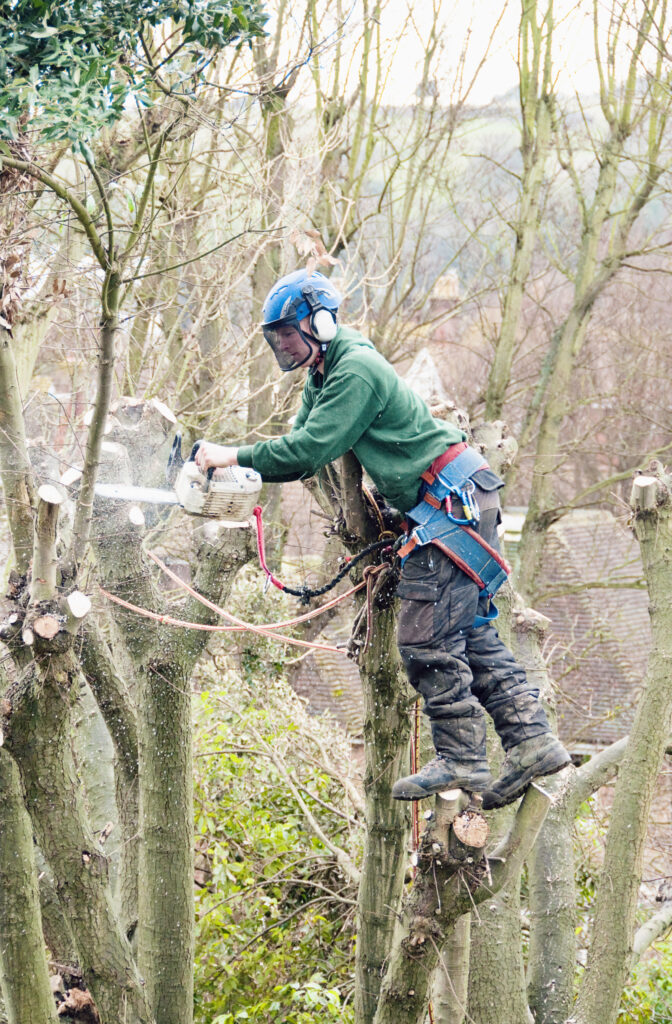
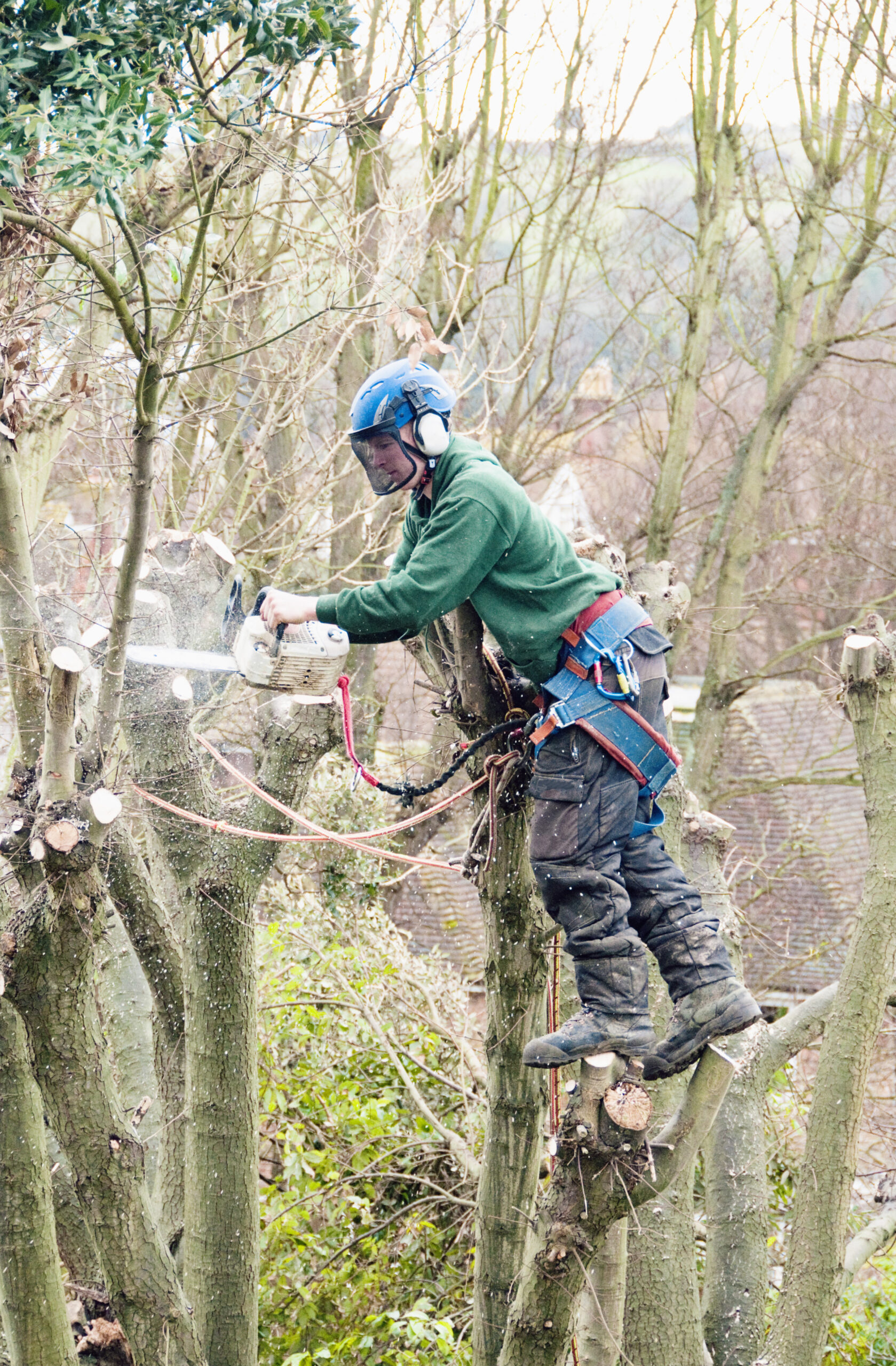
Tree worker in a climbing harness removing a tree section

Dead Tree Removal in Westminster

Westminster properties can end up with a dead tree for a range of reasons, from age and drought stress to storm damage or root problems. Dead tree removal is the service that addresses a tree that has died completely, as opposed to deadwood removal, which targets only dead branches on a tree that is otherwise alive, or general tree removal, which can apply to trees removed for reasons unrelated to tree death, such as landscaping changes or construction.

If you are unsure whether a tree on your property is fully dead, has only isolated deadwood, or needs a broader look through a tree inspection or tree risk assessment, a professional evaluation is the most reliable way to determine the right next step. Tree services in Westminster can help clarify which category a specific tree falls into before any removal work begins.

Over 70 ⭐⭐⭐⭐⭐ Reviews from Our Customers

Testimonials

Their ISA certified arborists provided expert advice, and their attention to detail in pruning and trimming was outstanding. Highly recommend their services for anyone in Westminster!

cheap tree service westminster co Testimonial 1
John
As a potential new client, I was impressed by how responsive and professional the team was. Their stump grinding service was efficient, and they left my property spotless. Fantastic job!

best tree service westminster co Testimonial 2
Brown
Being a homeowner in Boulder County, I needed a reliable tree care specialist for disease management. The team’s knowledge and care exceeded my expectations. Thank you for your excellent work!

Testimonial 3
Leon

Discuss a Dead Tree on Your Property

Call 720-727-6652 to discuss a tree you believe may be dead, including its location relative to your house, driveway, walkway, or fence. We can talk through whether dead tree removal, deadwood removal, or a tree inspection is the appropriate starting point for your property in Westminster, Colorado.

If a dead tree or its branches are contacting or dangerously close to power lines, stay clear of the area and contact the appropriate utility or emergency authority immediately. Safety is always the top priority in professional tree care.

Frequently Asked Questions About Deadwood Removal in Westminster, CO

Deadwood removal is the process of identifying and cutting away dead, dying, or diseased branches from a living tree to improve safety and health.
Removing dead branches prevents them from falling and causing injury or damage. It also stops decay from spreading into the main trunk and improves the tree’s appearance.
No. While it is a form of pruning, deadwood removal specifically targets dead limbs, whereas general tree pruning may involve cutting live branches for shape or growth control.
No. Deadwood removal saves the tree by removing only the dead parts. Dead tree removal is the complete extraction of a tree that is no longer living.
Not necessarily. Most mature trees produce some deadwood naturally. However, excessive deadwood can be a sign that a tree health assessment is needed.
Yes, removing deadwood is a standard maintenance practice for mature trees to reduce weight and wind resistance, helping them live longer.

Get Quick Estimate

Tree Service Westminster CO Logo

Tree Service Westminster CO is a locally owned company providing reliable tree care for homes and businesses in Westminster, Colorado. Our ISA-certified arborists offer tree trimming, stump grinding, planting, disease management, and other professional services. We are fully licensed and insured, with a focus on safe, effective, and environmentally responsible tree care.

QUICK LINKS
CONTACT US

Copyright 2026 Tree Service Westminster CO| All RIghts Reserved