- 720-727-6652
- info@treeservicewestminsterco.com
- Mon - Fri: 10:00 - 18:00
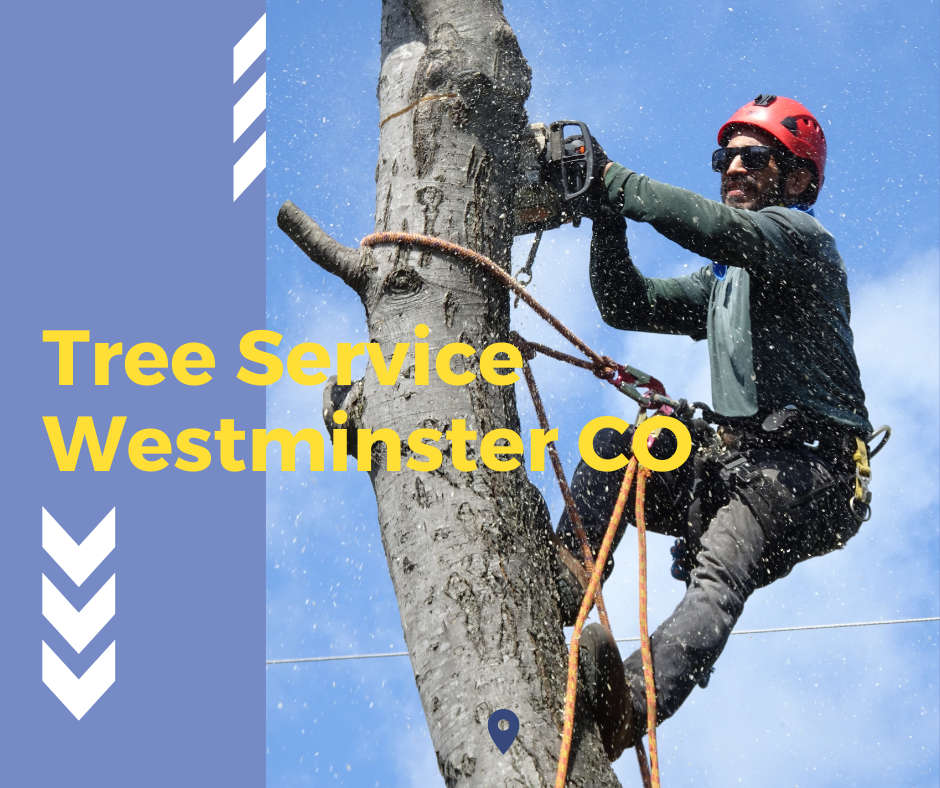
A professional tree cutting service covers cutting work that may be needed for a variety of tree-management goals, from cutting individual branches to more extensive work involving larger sections of a tree. Tree cutting is a broader term than any single service: depending on the situation, it can overlap with tree trimming, tree pruning, tree branch removal, or full tree removal, but it is not automatically the same as any one of those.
As part of the broader tree services in Westminster we provide, tree cutting work is generally planned around the specific tree, its condition, and the reason cutting is being considered in the first place. Understanding what is actually needed helps determine whether the right approach is targeted cutting, ongoing pruning, or complete tree removal.
Tree cutting may be needed for a range of reasons: a specific branch may be causing a problem, a tree section may need to be cut back, or a tree may require more extensive cutting as part of a larger management plan. It is important to distinguish tree cutting from other related services. Tree trimming generally addresses overgrown or unwanted growth, tree pruning involves selective cutting for specific tree-care objectives, and tree branch removal targets individual branches. Tree cutting is a broader description that can include any of this work, depending on what a particular tree needs.
Where an entire tree needs to come down rather than just certain sections, that work falls under tree removal rather than tree cutting alone. Not every tree that needs cutting needs to be removed entirely, and not every removal project is identical, which is why the right starting point depends on the specific tree and situation.
Before any tree cutting work begins, it helps to look at the tree’s overall size, condition, and structure, along with the branches or trunk sections that may need attention. A tree inspection can help document what is actually present, including any structural weaknesses, damaged limbs, or areas of concern that should factor into the plan. In Westminster, Colorado, this kind of evaluation also accounts for how the tree sits relative to nearby structures and how much room is available to work safely.
Where there is concern about a tree’s stability or the potential for a branch or trunk section to fail, a tree risk assessment may be a relevant next step, since it looks specifically at structural risk rather than just general condition. These evaluations help determine the right scope of work before cutting starts, rather than deciding on an approach without a clear picture of the tree.
Trees positioned close to houses, fences, driveways, or walkways often require extra care when cutting work is being planned. Branch position, trunk lean, and how much clearance is available all affect how the work is approached in these areas. A tree that is easy to access from an open yard is a different situation than one wedged between a fence and a building, where confined space limits how the work can be carried out.
Surrounding-property considerations, such as nearby landscaping, structures, or shared property lines, also factor into planning tree cutting work in these tighter spots. The goal is generally to complete the necessary cutting while minimizing impact on what is nearby.
Tree cutting, tree pruning, tree trimming, tree branch removal, and tree removal are related but distinct types of work. Cutting is the broadest term and can describe the physical work involved in any of the others. Pruning refers specifically to selective cuts made for a defined objective, such as removing crossing or damaged branches. Trimming is often used for managing overgrown growth, while branch removal targets individual branches rather than the tree as a whole.
Cutting does not automatically improve a tree’s health, and indiscriminate cutting is not a recommended approach. Decisions about what to cut, and how much, should be based on the tree’s condition and the specific goal of the work, not applied the same way to every tree. Topping a tree, meaning cutting back its main branches or crown to stubs, is not a practice we recommend, since it can create long-term structural problems. According to the Colorado State University Extension, proper pruning cuts should be made to preserve the tree’s natural structure rather than removing large portions of the crown at once.
The scope and complexity of a tree cutting job depend on several factors. Tree size and condition matter: a smaller ornamental tree in decent condition is generally more straightforward than a large, mature tree with structural issues. Branch and trunk considerations, such as diameter, weight, and how sections are attached, also affect how the work is planned and carried out.
Confined or difficult-access areas add another layer of complexity, particularly on properties where trees are close to buildings, fences, or other trees. Every property in Westminster is laid out a little differently, so tree cutting is generally evaluated on a tree-by-tree basis rather than approached the same way for every job.
Tree cutting generates cut branches, limbs, and sometimes larger wood sections that need to be addressed once the work is done. Cleanup expectations are worth discussing before work begins so they match what is actually planned for a specific job, since the amount of debris can vary significantly depending on the size and scope of the cutting involved.
When cutting work involves removing an entire tree, the stump is a separate consideration. Removing a tree does not automatically include stump removal, and the stump generally remains in place unless stump grinding or stump removal is arranged separately. It is worth clarifying whether stump work is part of a project or handled as its own step.
Residential and commercial properties in Westminster can need tree cutting for many different reasons, from addressing a single problem branch to more extensive work on a mature tree. A professional tree cutting service can cover a range of this work, but the right approach always depends on the specific tree, its condition, and what the property owner is trying to accomplish.
Tree cutting is closely related to tree trimming, tree pruning, and tree branch removal, and it can lead into full tree removal when an entire tree needs to come down. If you are unsure which of these best describes what your tree needs, a professional evaluation, such as a tree inspection or tree risk assessment, can help clarify the right next step.
Call 720-727-6652 to discuss a specific tree and the cutting work you think it may need, including its location relative to your house, fence, or driveway. We can talk through whether tree cutting, trimming, pruning, or full removal is the right starting point for your property in Westminster, Colorado.
If a tree or its branches are contacting or dangerously close to power lines, stay clear of the area and contact the appropriate utility or emergency authority immediately. Safety is always the top priority in professional tree care.
Tree cutting can cover professional cutting of branches, limbs, tree sections, or other work required for a particular tree-management objective. The exact work depends on the tree, its condition, location, and the reason cutting is needed.
No. Tree cutting is a broader description of cutting work, while tree removal specifically involves removing an entire tree. Some removal projects require extensive cutting, but not every tree-cutting job involves whole-tree removal.
Pruning is selective cutting performed for specific tree-care objectives, while tree cutting is a broader term that may include different cutting needs. The appropriate service depends on the tree and the desired result.
Tree work may be possible in these areas, but surrounding structures, access, tree size, branch position, tree condition, and available working space should be considered before work begins.
Not automatically. If an entire tree is removed, the stump may remain unless stump grinding or stump removal is included separately.
The appropriate service depends on the reason for the work and the tree’s condition. Selective growth management may involve pruning, specific branches may require branch removal, while whole-tree removal may be considered when removal of the entire tree is appropriate.
Tree Service Westminster CO is a locally owned company providing reliable tree care for homes and businesses in Westminster, Colorado. Our ISA-certified arborists offer tree trimming, stump grinding, planting, disease management, and other professional services. We are fully licensed and insured, with a focus on safe, effective, and environmentally responsible tree care.
Copyright 2026 Tree Service Westminster CO| All RIghts Reserved