- 720-727-6652
- info@treeservicewestminsterco.com
- Mon - Fri: 10:00 - 18:00
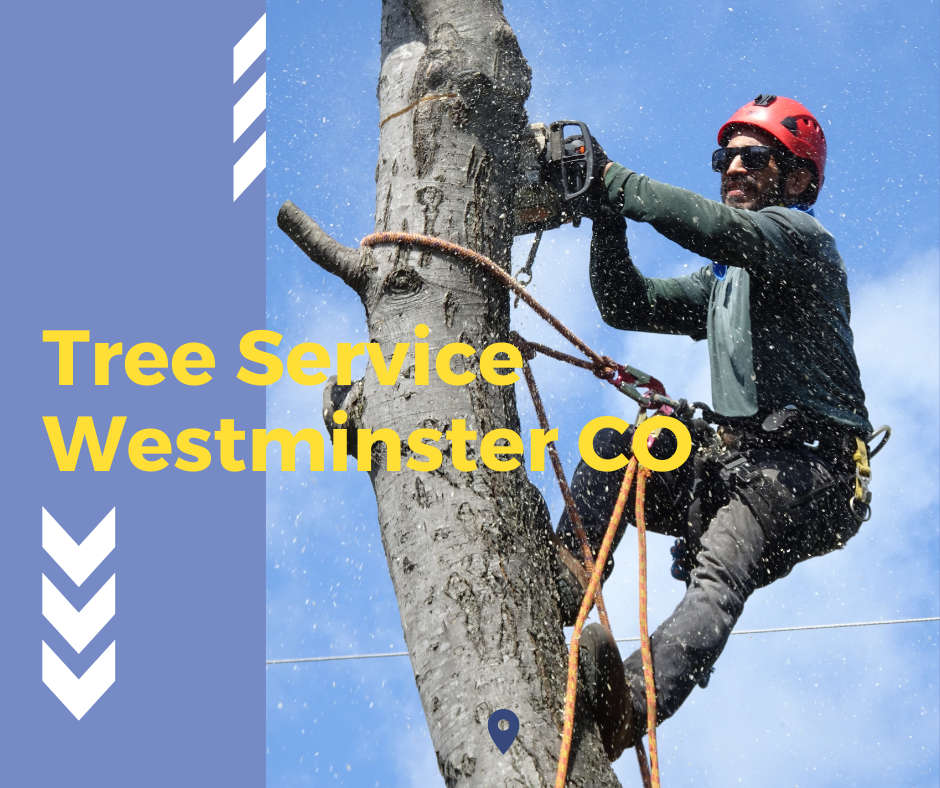
Wind, heavy wet snow, and hail can leave trees with broken limbs, hanging branches, cracked or split unions, fallen debris, or a new lean that wasn’t there before the storm. Storm damage tree service focuses on evaluating what happened to a tree after a weather event and helping property owners understand the available next steps. As part of our full range of tree services in Westminster, we look closely at each storm-damaged tree before discussing any course of action. Not every damaged tree is in the same condition, and not every situation calls for the same response.
After a windstorm, heavy snow, or hail, storm-damaged trees can show several kinds of damage: broken or cracked branches still caught in the canopy, hanging branches, split or cracked limbs, fallen branches scattered across the yard, and a new or more pronounced lean. Some storm tree damage is obvious right away, like a fallen branch on the lawn, while other issues, such as a hairline crack in a limb, take a closer look to identify. If you’re trying to gauge the severity yourself, see how to tell if a tree is unsafe after a storm.
A tree inspection after a significant storm can help surface damage that isn’t immediately obvious from the ground, which is why post-storm tree inspection is often the first step before deciding on pruning, branch removal, or any other work.
Broken tree branches, hanging limbs, and cracked or split branches are among the most common types of storm damage after high wind or heavy snow. A branch that’s still partially attached can continue to shift or drop debris, and a cracked branch union may not be obvious until it’s examined up close. Fallen branches on the ground are usually the easiest damage to spot, but they’re often only part of a larger picture.
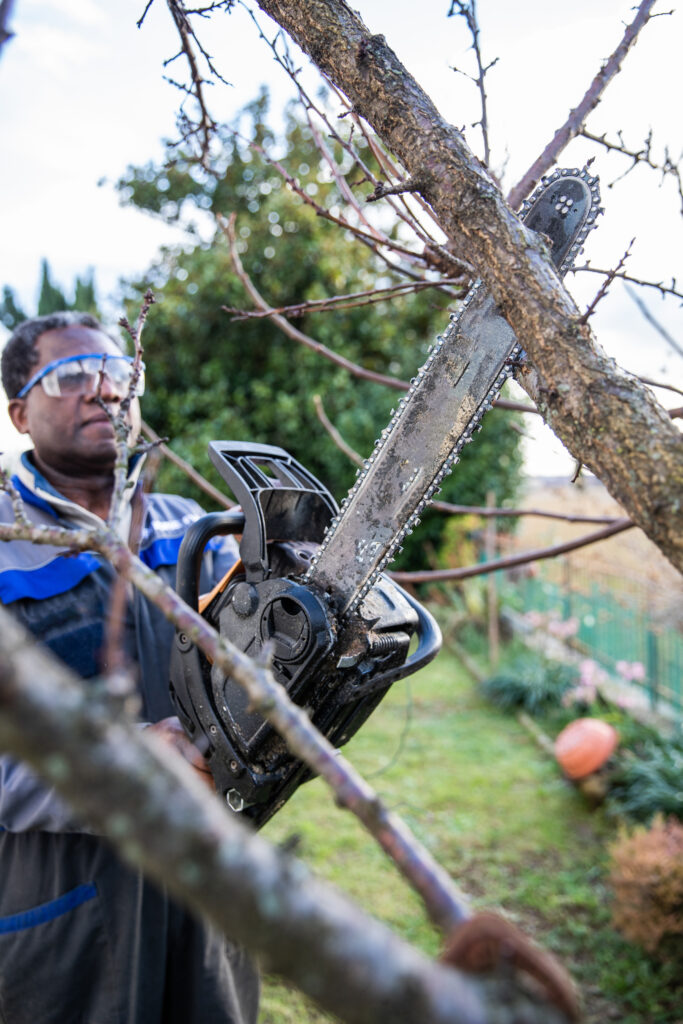
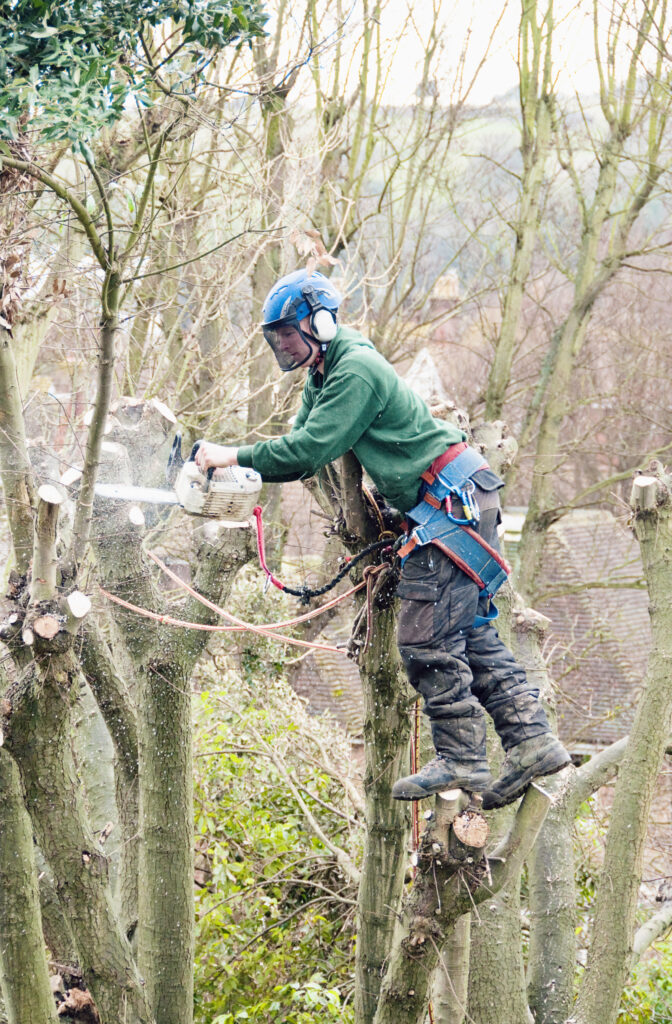
A hanging branch or cracked limb can remain lodged in the canopy for some time after a storm, and it may not fail immediately. Because these branches can be unpredictable, we don’t recommend attempting to cut, pull, or climb toward a hanging or partially broken limb. Once a damaged branch is assessed, it’s typically addressed through pruning at the point of attachment or full branch removal, depending on how much of the limb is compromised.
A leaning tree or a partially uprooted tree is a different kind of concern. A tree that has developed a new lean, or one where the soil around the base has lifted or cracked, may have a partially compromised root system. This is different from a tree with a long-standing, stable lean. A sudden change after a storm, especially combined with heaving soil near the trunk, is a condition worth having evaluated rather than assumed to be stable, since a tree risk assessment can offer a more focused look at what the tree’s structure and root plate suggest about further risk.
Once storm damage is identified, the next step is figuring out an appropriate response. Depending on the condition of the tree and the extent of the damage, possible recommendations may include continued monitoring, tree pruning to remove a damaged branch, further assessment of a questionable lean or root issue, supplemental structural support such as tree cabling and bracing in select cases, or tree removal where the damage is severe enough to warrant it. Not every storm-damaged tree needs the same response, and not every damaged tree needs to come down.
Storm debris cleanup is typically part of storm damage tree service, covering fallen branches, broken limbs, and other debris left behind after a weather event. The amount of cleanup involved depends on how much came down and where it landed, and it’s often paired with pruning or removal of the damaged portions of the tree.
Storm Damage Tree Service vs. Emergency Tree Service: These are related but distinct. Storm damage tree service focuses on evaluating and addressing damage after a storm and deciding on appropriate next steps. If storm damage creates an urgent problem, such as a fallen tree, an unstable hanging branch, blocked access to your home, or another immediate safety concern, our emergency tree service is the more appropriate option. Not every storm-damaged tree is an emergency, but some storm damage does call for emergency tree service instead of standard scheduling.
Storm Damage Tree Service vs. Storm Damage Tree Removal: Removal is only one possible outcome of a storm damage evaluation, reserved for situations where the damage or the tree’s overall condition genuinely warrants it. Most storm-damaged trees are evaluated individually, and depending on what’s found, the recommendation may be monitoring, pruning, damaged branch removal, further assessment, supplemental support, or removal.
If you discover storm damage on your property, the first step is to keep people, pets, and vehicles away from the affected area, particularly near any branch that could still shift. If a tree or branch is touching or near a power line, stay clear of the tree, branch, and any nearby wires, and contact the electric utility rather than approaching it yourself.
Factors affecting scope: the scope of storm damage tree service depends on variables such as the extent of the damage, the tree’s size and species, how much debris needs to be cleared, and site accessibility. Because every storm and every tree is different, we provide an estimate after evaluating the specific situation rather than quoting a flat rate in advance.
Colorado’s Front Range, including Westminster, experiences swings between high wind events, heavy wet spring snow, and hail, all of which can lead to storm damage in landscape trees. According to Colorado State University Extension’s resource on tree growth and decay, a significant share of storm damage in Colorado landscape trees results from failures at the branch union, particularly involving codominant trunks of similar size, which is one reason a post-storm tree inspection can be useful even when damage looks minor from the ground.
Staying aware of current conditions during severe weather is worthwhile; the National Weather Service Denver/Boulder forecast office provides local watches and warnings for the Westminster area. If a storm has left a tree or branch on your property in a condition that concerns you, an on-site evaluation is the most reliable way to understand the situation and the available options.
If a recent storm has left broken branches, a leaning tree, or other storm damage on your property, contact us today to describe the situation and check current availability. Call 720-727-6652 or email info@treeservicewestminsterco.com and our team will discuss next steps for your property in Westminster, CO and the surrounding area.
Start by keeping people, pets, and vehicles away from the damaged area, especially near any branch or limb that could still shift or fall. If the tree or branch is touching or near a power line, stay clear and contact the electric utility rather than approaching it. Once the area is clear, contact our team to describe the damage so we can discuss next steps.
No. Whether a storm-damaged tree needs removal depends on the extent of the damage, the tree’s overall condition, and what an on-site evaluation finds. Some trees recover with pruning or cleanup of the damaged portions, while others may need further monitoring, supplemental support, or, in more severe cases, removal.
Yes, in many cases. When damage is limited to specific limbs, tree pruning can often address broken, hanging, or cracked branches without requiring removal of the entire tree. Whether pruning is appropriate depends on how much of the tree is affected and its overall structural condition.
Stay clear of the tree, branch, wire, and any nearby conductive objects, and do not attempt to move or cut anything near the line. Contact the electric utility to report the situation. Once the utility has addressed the power line concern, our team can evaluate the tree damage itself.
Situations that may call for emergency tree service include a tree or large branch blocking access to your home, a branch resting on a structure or vehicle, or damage that poses an immediate safety concern. Storm damage that isn’t creating an urgent access or safety issue can typically be scheduled as standard storm damage tree service instead.
An evaluation generally looks at what has actually broken, cracked, or shifted, how the damaged portion is positioned in the canopy or at the base, and what the tree or branch could affect if the condition changed further. Based on that assessment, we discuss whether the situation calls for monitoring, pruning, supplemental support, or removal.
Tree Service Westminster CO is a locally owned company providing reliable tree care for homes and businesses in Westminster, Colorado. Our ISA-certified arborists offer tree trimming, stump grinding, planting, disease management, and other professional services. We are fully licensed and insured, with a focus on safe, effective, and environmentally responsible tree care.
Copyright 2026 Tree Service Westminster CO| All RIghts Reserved