- 720-727-6652
- info@treeservicewestminsterco.com
- Mon - Fri: 10:00 - 18:00
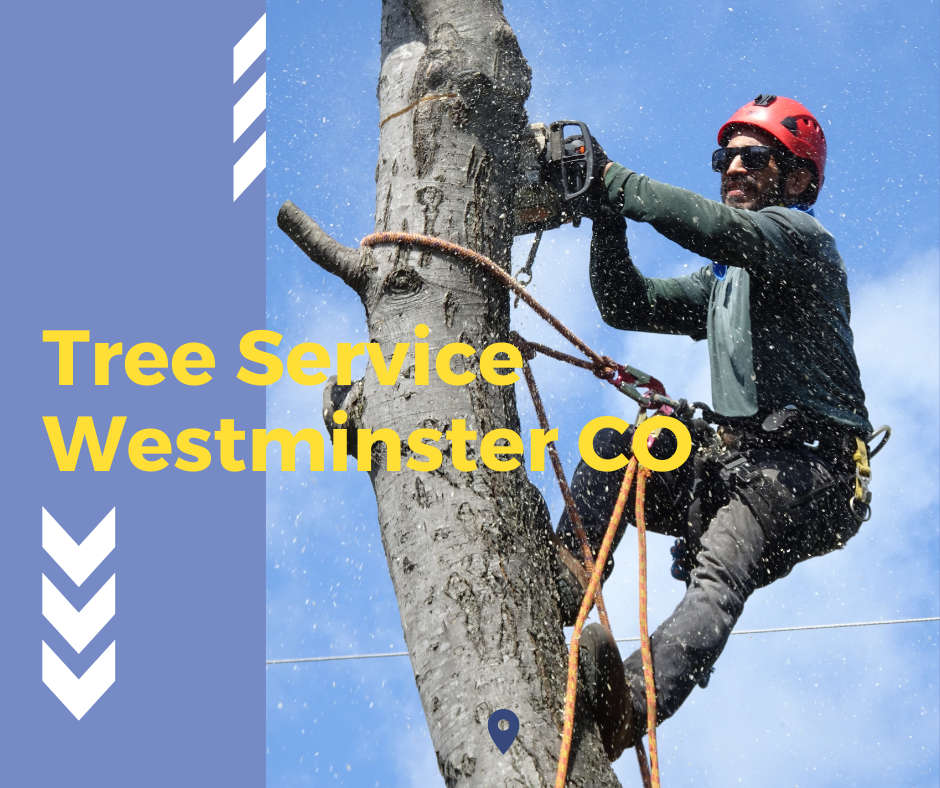
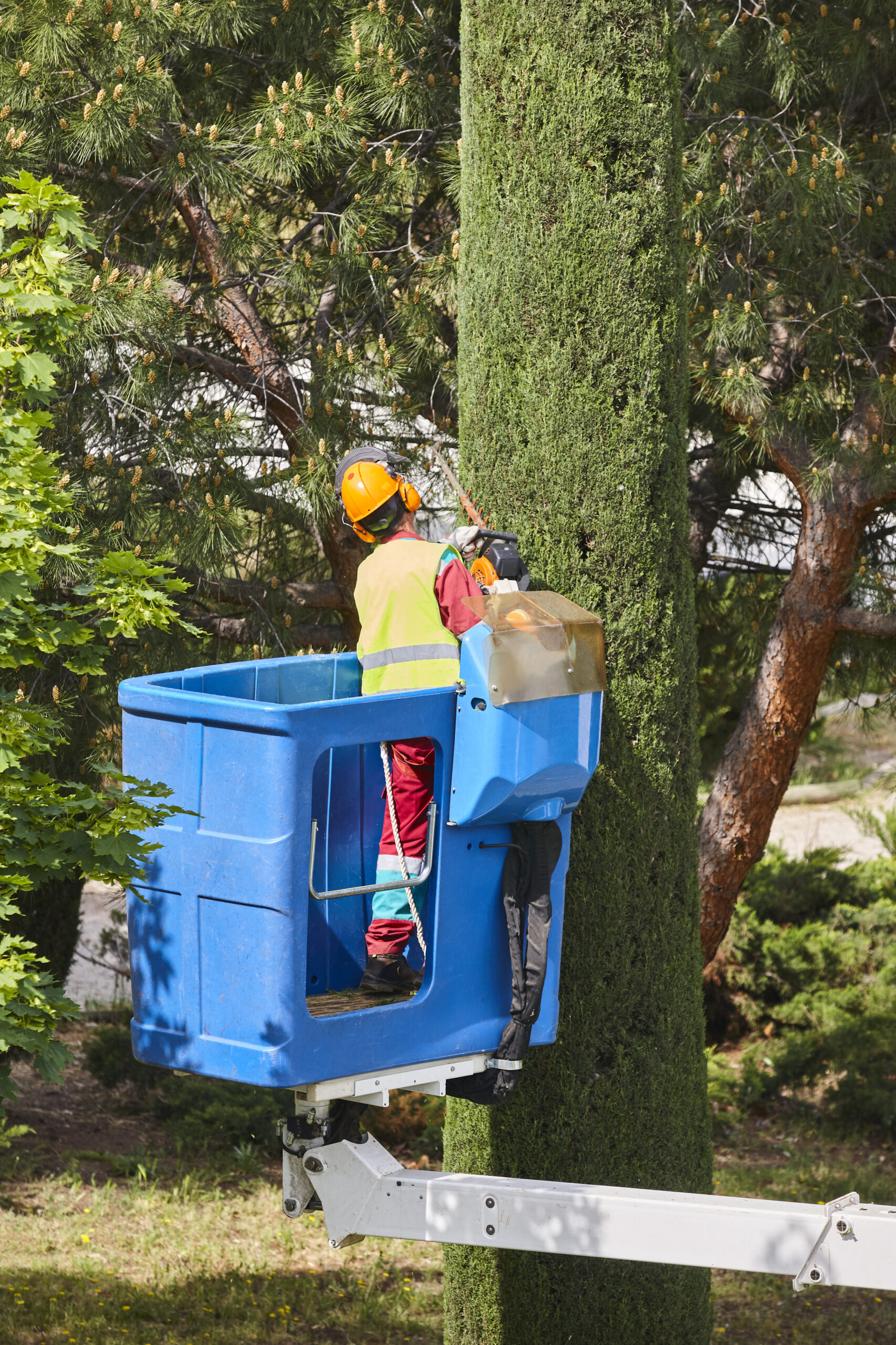
Crown thinning is a specific pruning objective that selectively removes appropriate branches throughout the canopy to reduce density while maintaining the tree’s overall size, structure, and natural form. Unlike more aggressive methods, crown thinning focuses on the interior of the canopy, removing specific branches to improve the distribution of foliage without altering the tree’s height or spread. This technique is essential for tree services in Westminster, where maintaining the health and aesthetic of mature trees is a priority.
The process involves the selective removal of branches within the crown to manage canopy density. By targeting dead, damaged, crossing, or poorly positioned branches, professional tree care specialists can enhance the tree’s structural integrity. Proper crown thinning ensures that the canopy remains balanced and that the tree retains its natural silhouette. It is a precise task that requires an understanding of branch structure and canopy management to avoid excessive thinning, which can stress the tree and lead to poor health.
Crown thinning is generally considered when a canopy has become dense, when branch distribution is uneven, or when specific structural issues need addressing. It is important to distinguish this service from other pruning methods. For instance, crown reduction reduces the overall height or spread of the canopy, while crown raising increases clearance beneath the canopy for walkways or structures. Crown thinning, by contrast, maintains the tree’s footprint while improving its internal environment.
One of the primary benefits of thinning a tree canopy is the improvement of light and air movement through the branches. While we avoid exaggerated claims about storm resistance, reducing canopy density can allow wind to pass through more easily, potentially reducing the “sail effect” during Colorado’s gusty weather. However, this must be balanced with the tree’s need for foliage to produce energy. According to the Colorado State University Extension, selective pruning should focus on the outer edges of the canopy to be most effective.
A tree inspection can document a tree’s branch structure and overall canopy balance before any substantial thinning begins. Evaluating the tree’s structure is a critical first step, as it allows the arborist to identify which branches are appropriate for removal. This evaluation considers the tree’s species, age, and current condition. In Westminster, Colorado, local tree care often involves assessing how mature trees have adapted to the semi-arid climate and urban environment.
During the inspection, we look for crossing branches that may rub together and create wounds, as well as damaged or dead branches that could become hazards. By addressing these issues through selective pruning, we can maintain a healthy canopy without the need for aggressive cutting. This careful approach ensures that the tree’s natural form is preserved while its internal structure is optimized for long-term growth.
Reducing density within a crowded canopy can allow somewhat more light and air movement through the branches. The extent of this improvement depends on the individual tree and the amount of selective pruning performed. It is important to note that crown thinning is not about cutting back the entire canopy; rather, it is about creating a more open structure that benefits the tree’s interior foliage.
Improved air circulation can help foliage dry more quickly after rain or snow, which is a factor in managing certain fungal issues, though it is not a universal cure. The goal is to achieve a canopy that feels less “heavy” while still providing the shade and beauty that Westminster residents value. Professional tree canopy thinning ensures that these adjustments are made safely and effectively.
Aggressive interior branch removal that leaves foliage only at the branch ends is not appropriate crown thinning. This practice, often called “lion tailing,” can actually make branches more prone to breaking under the weight of snow or in high winds because it shifts the weight to the tips. Proper canopy thinning maintains a balanced distribution of foliage throughout the branch length.
Avoiding excessive thinning is crucial for the tree’s health. Removing too much of the living canopy at once can stress the tree, leading to a flush of weak “water sprouts” or epicormic growth as the tree tries to quickly replace its lost energy-producing leaves. A professional approach ensures that thinning is done conservatively, respecting the tree’s biological limits.
Whether crown thinning is appropriate, and how much, depends on the tree’s species, age, condition, structure, and the objective of the work. There is no universal percentage of canopy that should be removed; every tree is unique. For example, a young, vigorous tree may tolerate more thinning than an older, stressed specimen.
Factors such as the tree’s location, its proximity to structures, and the specific goals of the property owner also play a role. In Westminster, we see a variety of species, from sturdy oaks to delicate maples, each requiring a tailored approach to canopy management. A professional assessment is the best way to determine the right course of action for your specific tree care needs.
Crown thinning can be performed on mature trees, but mature trees generally respond to canopy changes differently than younger ones. As trees age, their ability to recover from large pruning cuts or significant canopy loss decreases. Therefore, thinning mature trees requires a highly selective and conservative approach to avoid compromising their health.
For mature tree pruning, the focus is often on removing deadwood and addressing specific structural weaknesses rather than broad density reduction. Maintaining the natural form of a mature tree is vital for its aesthetic value and its role in the local ecosystem. If you have a large, established tree in Westminster, crown thinning can help manage its canopy while respecting its age and history.
Trees on Westminster properties can develop dense canopies over time, and crown thinning is one option for addressing this density while maintaining the tree’s natural form. Whether you are looking to improve the light in your garden or manage the structure of a large shade tree, professional crown thinning service provides a targeted solution. It is a specific pruning objective, distinct from general trimming or shaping.
By choosing professional tree services in Westminster, you ensure that your trees receive the care they need based on sound arboricultural principles. We focus on selective pruning that respects the tree’s biology and enhances its presence in your landscape. If you are unsure whether crown thinning, crown raising, or crown reduction is right for your tree, a professional evaluation can provide the clarity you need.
Call 720-727-6652 to discuss a specific tree, its canopy density, and what you would like to achieve with crown thinning. Our team is here to help you understand the best options for your tree care in Westminster, Colorado. We can provide a professional assessment to ensure your trees remain a healthy and beautiful part of your property for years to come.
Remember, for branches contacting or dangerously close to electrical lines, you should stay clear and contact the appropriate utility or emergency authority immediately. Safety is always the top priority in professional tree care.
Crown thinning is a pruning technique that involves the selective removal of branches throughout the canopy to reduce density. The goal is to improve light penetration and air movement without changing the tree’s overall size or natural form.
A tree may benefit from thinning if its canopy has become overly dense, which can limit light to the interior foliage or the ground below. It is also used to remove crossing, damaged, or poorly positioned branches to improve the tree’s internal structure.
No. Crown thinning reduces density within the existing canopy footprint, while crown reduction actually decreases the overall height or spread of the tree. They are distinct pruning objectives used for different purposes.
Crown thinning targets density throughout the entire canopy, whereas crown raising specifically removes lower branches to create more clearance beneath the tree for walkways, buildings, or visibility.
Yes, mature trees can be thinned, but it must be done very conservatively. Mature trees have less energy reserves to recover from pruning, so the focus is usually on removing deadwood and addressing specific structural issues.
There is no universal percentage that applies to every tree. The appropriate amount depends on the tree’s species, age, health, and the specific goals of the pruning. A professional assessment is necessary to determine a safe limit.
Tree Service Westminster CO is a locally owned company providing reliable tree care for homes and businesses in Westminster, Colorado. Our ISA-certified arborists offer tree trimming, stump grinding, planting, disease management, and other professional services. We are fully licensed and insured, with a focus on safe, effective, and environmentally responsible tree care.
Copyright 2026 Tree Service Westminster CO| All RIghts Reserved