- 720-727-6652
- info@treeservicewestminsterco.com
- Mon - Fri: 10:00 - 18:00
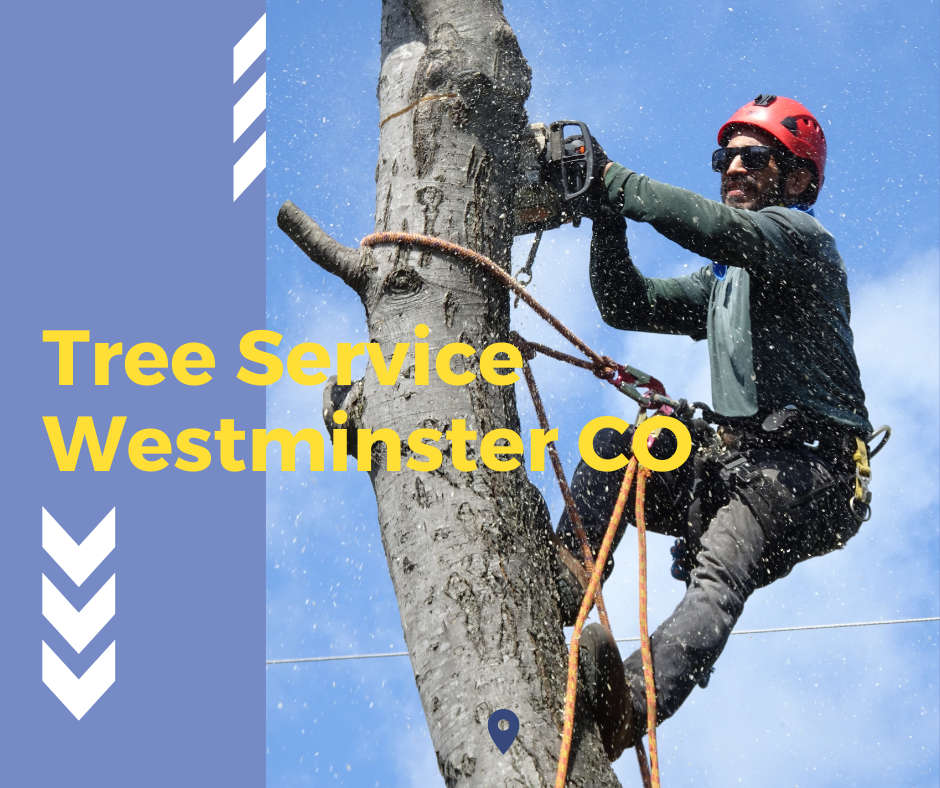
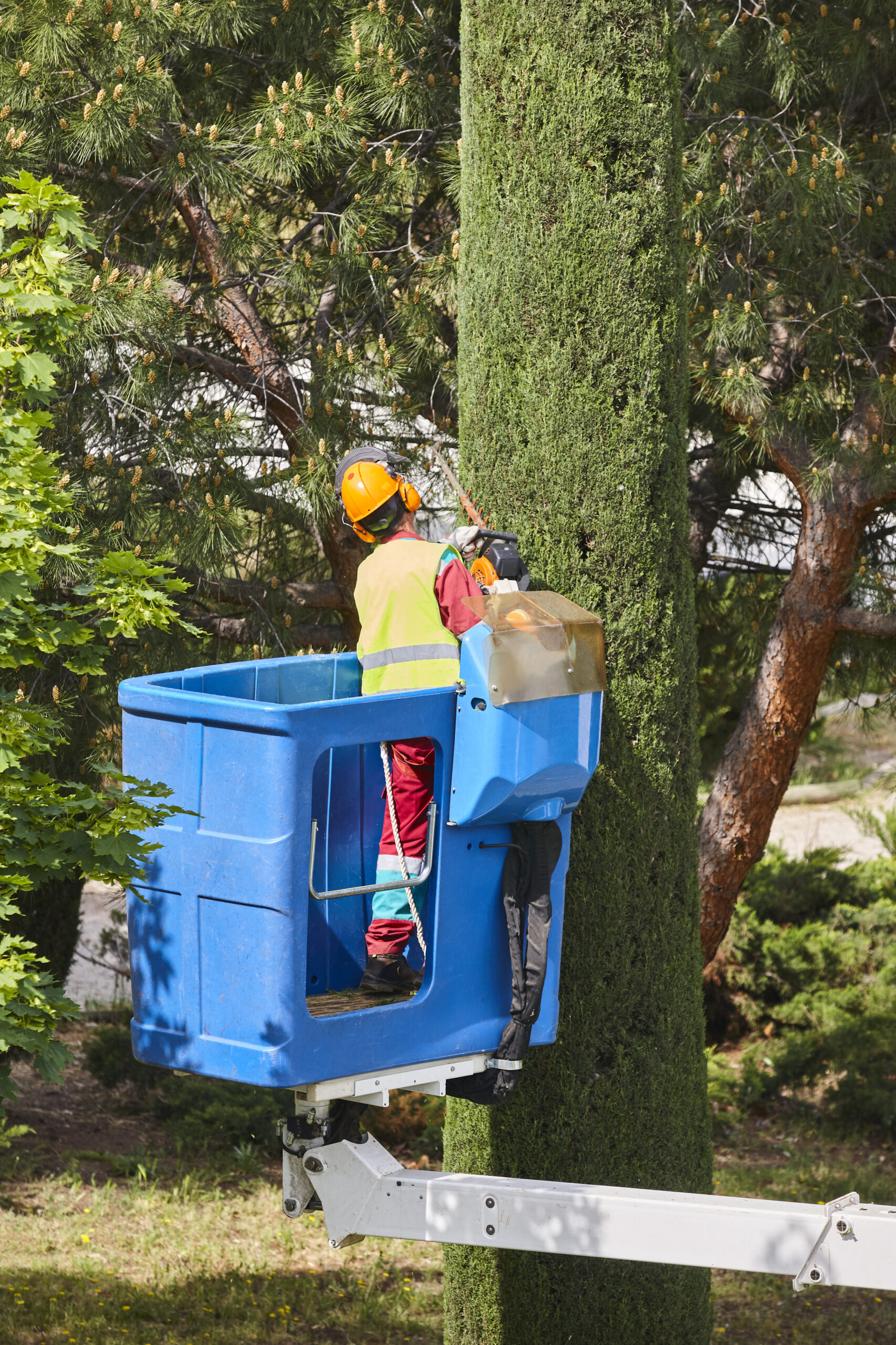
Crown reduction is a specific pruning objective that selectively reduces the overall height and/or spread of a tree’s canopy while working to maintain an appropriate natural branch structure. It is achieved through selective reduction cuts back to suitable lateral branches, not by cutting the top off a tree or removing large sections indiscriminately.
Crown reduction is not appropriate for every tree, and how much reduction makes sense depends on the individual tree. Our tree services in Westminster start by looking at a tree’s condition and structure before recommending whether crown reduction is a reasonable approach.
Crown reduction is generally considered when a tree’s canopy has become oversized for its location, whether that means excessive height, spread that extends too far over a structure, or a canopy that has simply outgrown the space available to it. Reduction is accomplished through selective branch reduction, where individual branches are shortened back to a suitable lateral branch capable of supporting continued growth, rather than cut back to an arbitrary point or stub.
This differs from tree pruning in general, which covers a broader range of objectives, and from tree shaping, which focuses on overall form and appearance rather than reducing size specifically. Crown reduction is also distinct from crown thinning, which selectively reduces canopy density without necessarily reducing height or spread, and from crown raising, which increases clearance beneath the canopy rather than reducing it overall.
A tree inspection can document a tree’s structure and condition before any significant crown reduction is considered. Where a tree’s stability or health raises questions relevant to how it might respond to reduction, a tree risk assessment can help inform whether and how much reduction is appropriate.
A canopy growing too close to a roofline, siding, or other structure is a common reason crown reduction is requested. Reducing spread on the side of a tree nearest a building can create useful clearance, though the reduction still needs to be planned around the tree’s branch structure rather than simply cutting back to a fixed distance.
Tree topping cuts large sections of the upper canopy back to stubs regardless of branch structure, and it is different from crown reduction. Topping is not a technique used in appropriate crown reduction work. Reduction cuts are made selectively, back to suitable lateral branches, in a way that respects the tree’s structure. CSU Extension’s guidance on pruning mature shade trees notes that improper pruning practices like topping can create long-term structural problems that proper technique avoids.
Whether crown reduction is appropriate, and how much, depends on the tree’s species, age, condition, existing structure, and the objective of the work. There is no single percentage that applies to every tree. Crown reduction does not automatically make a tree safer or healthier; its suitability depends on the individual tree. For a branch contacting or dangerously close to power lines, stay clear and contact the appropriate utility or emergency authority rather than approaching it yourself.
Crown reduction can be performed on mature trees, but mature trees generally tolerate large reduction cuts differently than younger, more actively growing trees. Reduction work on a mature tree typically favors smaller, more conservative cuts that the tree can reasonably respond to, rather than an aggressive reduction in a single visit.
After crown reduction, ongoing tree maintenance helps track how the tree responds over time and whether any follow-up attention is worthwhile. General clearance needs that do not involve reducing overall canopy size are usually better addressed through tree trimming rather than crown reduction.
Trees on Westminster properties can outgrow their available space over the years, and crown reduction is one option for managing a canopy that has become too large for its location. This page concerns crown reduction specifically, as a defined pruning objective focused on reducing overall canopy height and/or spread, rather than another name for general trimming.
For broader selective pruning, see tree pruning. For overall form and appearance, see tree shaping. For general clearance work, see tree trimming. Keeping these services distinct helps clarify what a specific visit will address.
Call 720-727-6652 to discuss a specific tree, its current size, and what you would like crown reduction to address. Share observations about the canopy, its proximity to structures, and the tree’s overall condition. Avoid climbing or cutting large branches yourself.
Crown reduction is a pruning objective that selectively reduces the overall height and/or spread of a tree’s canopy while maintaining an appropriate natural branch structure. It is done through selective reduction cuts back to suitable lateral branches, not by cutting the top off a tree.
A tree may be considered for crown reduction when its canopy has become oversized for its location, such as growing too tall, spreading too far over a structure, or outgrowing the available space. The specific reason and approach depend on the individual tree.
No. Tree topping cuts large sections of the upper canopy back to stubs regardless of branch structure, and it is not a technique used in crown reduction. Crown reduction relies on selective cuts back to suitable lateral branches that respect the tree’s structure.
Crown reduction reduces the overall height and/or spread of the canopy, while crown thinning selectively reduces canopy density without necessarily reducing its overall size. They are different pruning objectives that may or may not be combined depending on the tree.
Yes, crown reduction can be performed on mature trees, though mature trees generally tolerate large cuts differently than younger trees. Reduction work on a mature tree typically favors more conservative cuts rather than an aggressive reduction in a single visit.
There is no single appropriate amount for every tree. How much canopy can reasonably be reduced depends on the tree’s species, age, condition, structure, and the objective of the work, and this is evaluated on a tree-by-tree basis.
Tree Service Westminster CO is a locally owned company providing reliable tree care for homes and businesses in Westminster, Colorado. Our ISA-certified arborists offer tree trimming, stump grinding, planting, disease management, and other professional services. We are fully licensed and insured, with a focus on safe, effective, and environmentally responsible tree care.
Copyright 2026 Tree Service Westminster CO| All RIghts Reserved