- 720-727-6652
- help@businessname.com
- Mon - Fri: 10:00 - 18:30
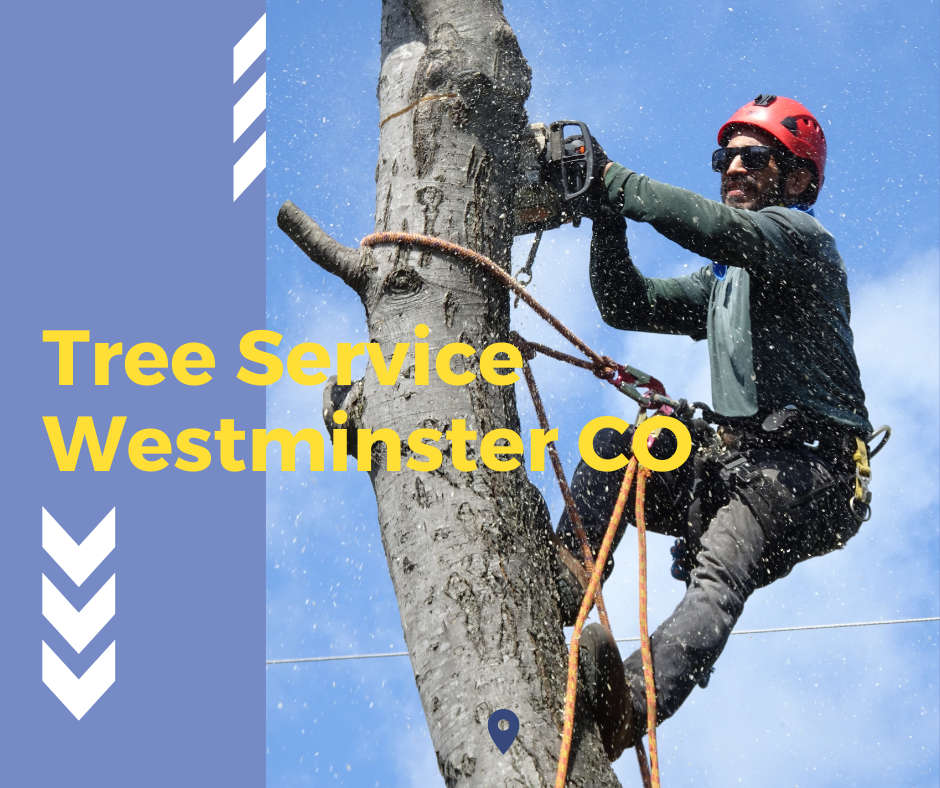
Tree Risk Assessment is a practical way to understand whether trees on a property pose a danger.
Many homeowners believe trees are safe when they appear healthy.
That is not always true.
Many problems start below ground or inside the tree.
Cracks, decay, and root issues can stay hidden for years.
Wind and snow can expose those weak points fast.
Colorado weather puts steady pressure on trees each season.
Dry air, strong winds, and heavy snow all add stress.
Tree Risk Assessment finds issues before damage happens.
Early awareness allows homeowners to act safely.
Trees are commonly located near homes, driveways, and sidewalks.
Limbs increase in size over time.
Soil changes can cause roots to shift.
These changes are slow and easy to miss.
Many people only notice trouble after a limb falls.
Repairs usually cost more by then.
The assessment examines more than what can be seen.
Structure, balance, and surroundings are reviewed.
This helps prevent surprises during storms.
It also helps homeowners feel more confident about their yard.
Storm concerns are shared by homeowners in both states.
Missouri often sees heavy rain and soft soil.
Wind and snow are bigger factors in Colorado.
Each condition increases failure risk.
Stress affects trees the same way in both areas.
Leaning trunks, cracked limbs, and exposed roots are warning signs.
A Tree Risk Assessment helps explain what those signs mean.
Clear guidance replaces guessing.
Knowing the risk level helps people plan ahead.
That planning protects both property and people.
Tree Risk Assessment Loveland, CO focuses on local conditions that affect tree safety.
Soil and weather shape tree growth.
Many local trees were planted decades ago.
They developed under different conditions.
Environmental changes affect tree behavior.
Colorado soil tends to dry quickly.
That can weaken root systems over time.
These local factors are considered during assessment.
It avoids relying only on general advice.
Local knowledge is important for risk judgment.
Seasonal changes strongly affect tree stability.
New growth adds weight in spring.
Summer heat stresses aging trees.
Fall storms combine wind and rain.
Winter snow adds heavy pressure to branches.
Tree strength is tested year-round.
Missouri trees face similar stress from rain.
Repeated stress builds over time in both areas.
The assessment monitors changes.
It shows how seasons affect each tree.
This supports safer care planning.
Homeowners often feel more informed after assessment.
They learn which trees need attention.
Low-risk trees may only require observation.
Some trees require corrective care.
Clear information reduces storm worry.
Yard work priorities become clearer.
Maintenance can be planned instead of reacting.
Trees appear healthier after care.
Balanced care improves long-term stability.
Properties feel safer overall.
One common issue is hidden decay.
Decay often begins inside trunks or limbs.
It may not be visible from the outside.
Fungi, insects, and moisture accelerate decay.
Trees lose strength over time.
Wind can cause sudden failure when decay is present.
A Tree Risk Assessment checks for signs like soft wood and cavities.
These signs predict stress response.
Early detection reduces sudden breakage.
Nearby people and structures are protected.
Another frequent risk is poor tree balance.
Light causes directional growth.
This can cause uneven weight distribution.
One side of the tree may become much heavier.
Root support weakens.
Storms increase failure risk.
This happens in both Colorado and Missouri after strong winds.
Lean and crown shape are evaluated.
It helps determine if correction is needed.
Balanced trees handle weather better.
Addressing imbalance improves safety.
Roots often present issues.
Construction and soil changes damage roots.
Drought shrinks and weakens roots.
Heavy rain, like in Missouri, can loosen soil around roots.
In Colorado, dry soil can crack and shift.
A Tree Risk Assessment looks for signs like exposed roots or soil lifting.
Instability is suggested.
Root health is critical for safety.
Healthy roots support the entire tree.
Catching root issues early prevents larger failures.
The assessment begins with observation.
The tree’s size and shape are reviewed.
Branch structure is examined closely.
Trunk health is assessed.
The surrounding area is also considered.
Surroundings affect risk.
Weather history is considered.
Storm history weakens trees.
Each factor contributes to risk.
This method gives a clear and fair evaluation.
Tree movement is evaluated.
Trees should sway slightly in the wind.
Movement indicates root strength.
Too little movement may mean brittle wood.
A Tree Risk Assessment looks at how a tree responds to normal conditions.
Soil stability is reviewed.
Recent shifts are noted.
These details help predict future behavior.
Windy regions benefit from this step.
Similar checks are used in Missouri.
Surprises are reduced.
The final step is clear explanation.
Results are shared simply.
Homeowners learn what is urgent and what can wait.
No pressure is applied.
Some trees may only need monitoring.
Others may need trimming or removal.
A Tree Risk Assessment does not guess.
Visible signs and experience are used.
This builds trust and understanding.
Decisions become informed.
Clear guidance supports safer properties.
Scheduling is a common question.
The best time is before problems appear.
Waiting until after damage increases risk and cost.
These signs appear early.
Trees near homes need extra attention.
Seasonal changes reveal issues.
Post-storm checks are common.
Rain triggers assessments in Missouri.
Wind and snow prompt checks.
Some seasons are more useful.
Drought stress shows in summer.
Fall reveals issues before snow.
Winter damage is visible after leaf drop.
Spring growth may hide cracks later on.
Timing is flexible.
Conditions guide timing.
Local patterns guide planning.
Colorado weather can change fast.
Emergencies decrease.
Planning improves safety.
Trees change as they age.
Changes are monitored.
Problems are controlled.
Emergency risk decreases.
Damage risk lowers.
Yards feel safer for daily use.
Children and pets are better protected.
Trees last longer with proper care.
Confidence grows over time.
Tree Risk Assessment supports safer living year after year.
At Tree Service Westminster CO, we are a locally owned and operated company dedicated to providing top-quality tree care services in Westminster, Colorado, and the surrounding areas. With a team of ISA certified arborists, we specialize in everything from tree trimming and stump grinding to tree planting and disease management. As a full-service tree company, we take pride in delivering reliable, safe, and eco-friendly solutions tailored to meet the unique needs of residential and commercial clients. Our commitment to excellence, combined with our extensive knowledge of local ecosystems, ensures the health, beauty, and longevity of your trees. Fully licensed and insured, we strive to exceed expectations with every project while enhancing the natural landscapes of our community.
Copyright 2024 Tree Service Westminster CO | All RIghts Reserved