- 720-727-6652
- help@businessname.com
- Mon - Fri: 10:00 - 18:30
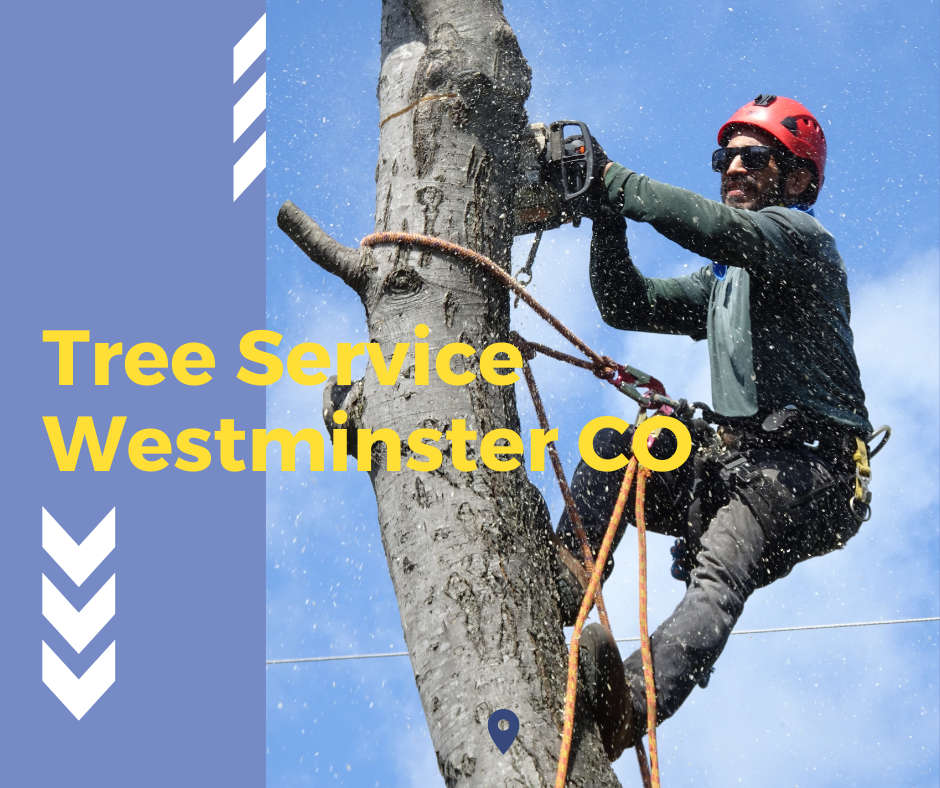
Tree Preservation focuses on protecting existing trees for as long as possible. Large trees provide shade, visual structure, and environmental balance to a property. They also take decades to grow. Once a large tree is removed, those benefits are lost for a long time. Tree Preservation helps protect what already exists. It looks at how to lower strain on trees. The goal is lasting strength. Preservation supports structural balance. It also supports healthier landscapes.
Many homeowners assume removal is the only option. In many cases, trees can be maintained with the right approach. Stress does not always mean collapse. Trees often display warnings before major problems develop. Tree Preservation focuses on responding to those signs. Timely support can extend a tree’s life. It also reduces safety risks. Preservation allows trees to adapt. This approach saves time and resources.
Tree Preservation is not about ignoring problems. It is about handling issues proactively. Trees are assessed for structure and health. Weak areas are flagged in advance. Contributing issues are addressed when feasible. This process encourages improvement. It also helps trees withstand seasonal stress. Preservation is a proactive approach. It focuses on long-term planning.
Trees in Colorado face constant climate pressure. Dry air reduces moisture levels. Strong sun increases evaporation through leaves. Wind applies pressure to branches. Harsh winters slow healing. Tree Preservation Fort Collins, CO addresses these regional factors. Trees must be managed to remain stable. Without support, stress accumulates gradually.
Location affects long-term tree health. Trees near buildings may have limited root space. Hard surfaces and compacted soil reduce air flow. Construction activity damages roots easily. These factors reduce strength over time. Tree Preservation considers the surrounding environment. Minor adjustments can have significant impact. Protecting critical roots is critical.
Preservation is especially important for older trees. Older trees provide the greatest value. They also take the longest to replace. Tree Preservation helps maintain these trees safely. Regular care supports stability. Routine observation helps identify issues sooner. This approach minimizes unexpected failure. Long-term planning matters.
Tree Preservation includes multiple techniques. Targeted pruning reduces weak growth. Correct pruning improve balance. Soil improvement supports underground stability. Mulch helps regulate soil temperature. Barriers protect roots during construction. Each step lowers strain.
Preservation also involves ongoing evaluation. Trees change slowly. Small problems can worsen. Regular checks track condition. Adjustments are made as needed. This prevents surprise failures. Monitoring supports planned care.
Education is part of preservation. Homeowners learn what signs matter. They understand how activities affect trees. Small adjustments reduce damage. Knowledge helps avoid unnecessary stress. Tree Preservation works best when all parties are informed. Shared responsibility improves outcomes.
Dry soil is a major threat. Roots struggle to absorb water. Stressed roots reduce stability. Trees become susceptible to wind. Snow adds heavy weight to branches. Imbalanced growth increases failure potential. Stress compounds over time.
Soil compaction is another threat. Foot traffic limits air flow. Machinery damages root zones. Roots cannot grow freely. Growth slows as stress increases. Damage may not be obvious. Effects often show up years later.
In Missouri, high rainfall creates different threats. Saturated ground increases root rot risk. Storms loosen roots quickly. Growth is faster but less stable. While climates differ, stress affects trees in all regions. Preservation helps manage these risks. Proactive support matters.
Preservation works best for stable trees. Trees with strong structure respond well. Stress does not always mean failure. Many trees recover with support. Preservation allows that recovery. It also protects property benefits.
Mature canopy trees are common candidates. Trees near structures benefit from ongoing support. Preserving them improves comfort. It also protects property. Removal changes the environment quickly. Preservation maintains balance.
Tree Preservation Fort Collins, CO helps homeowners protect valuable trees. It reduces risk while keeping benefits intact. Proactive care avoids emergencies. It supports long-term safety. Healthy trees last longer. Careful planning makes the difference.
At Tree Service Westminster CO, we are a locally owned and operated company dedicated to providing top-quality tree care services in Westminster, Colorado, and the surrounding areas. With a team of ISA certified arborists, we specialize in everything from tree trimming and stump grinding to tree planting and disease management. As a full-service tree company, we take pride in delivering reliable, safe, and eco-friendly solutions tailored to meet the unique needs of residential and commercial clients. Our commitment to excellence, combined with our extensive knowledge of local ecosystems, ensures the health, beauty, and longevity of your trees. Fully licensed and insured, we strive to exceed expectations with every project while enhancing the natural landscapes of our community.
Copyright 2024 Tree Service Westminster CO | All RIghts Reserved