- 720-727-6652
- help@businessname.com
- Mon - Fri: 10:00 - 18:30
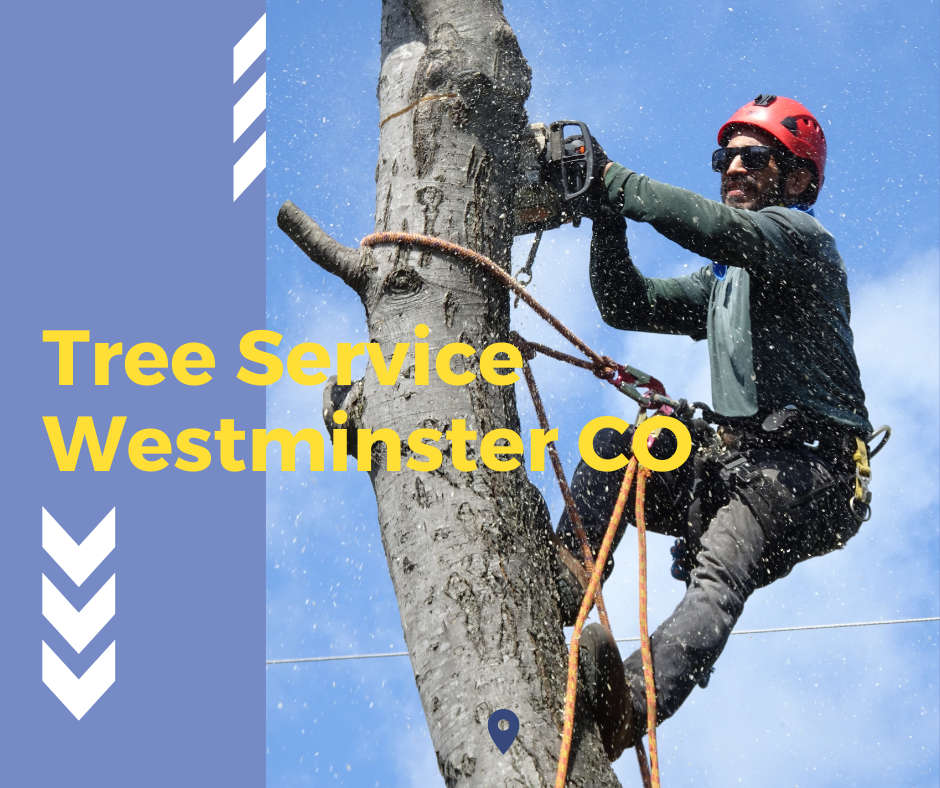
Right-of-Way Clearing is the process of ensuring access paths remain clear and usable. These areas include road edges, driveways, utility corridors, and shared paths. When vegetation grows unmanaged, it can reduce visibility and restrict access.
Homeowners often notice low-hanging limbs and encroaching brush. This can make travel and property maintenance more difficult. Right-of-Way Clearing helps keep these paths clear and accessible. It also lowers hazards for pedestrians and drivers. In Colorado, quick vegetation growth at certain times of year can create unexpected problems. Regular clearing helps reduce unexpected disruptions.
Many people do not realize how quickly right-of-way areas can narrow. One season of growth can limit usable space quickly. Weeds, saplings, and vines often grow into access areas. This growth can conceal markers, fencing, and ditches.
Over time, water may move incorrectly. That can lead to ground damage along access routes. Right-of-Way Clearing restores clear access and sightlines. It also helps water flow correctly. Clear paths are easier to inspect and manage.
Safety is a main reason people need Right-of-Way Clearing. Limited visibility can increase risk. Drivers may not see hazards ahead. Pedestrians can trip on hidden obstacles. Emergency access can also be restricted by vegetation. In rural areas, this can create dangerous delays.
Clearing improves safety. It keeps paths open for regular travel and emergency access. Right-of-Way Clearing supports safer properties year-round.
Right-of-Way Clearing Sherrelwood, CO is shaped by local land and weather. Many access paths here run through irregular terrain. Grades and channels require careful attention. Colorado weather can vary suddenly. Seasonal precipitation affect how water travels near roadways.
Clearing helps prevent blockages that cause washouts. Right-of-Way Clearing Sherrelwood, CO focuses on keeping access steady in all seasons. Local experience helps manage these challenges. Proper timing makes projects more effective.
Seasonal planning matters for Right-of-Way Clearing. Rapid growth often occurs in spring. Warm temperatures can create fire hazards. Fall brings leaf and limb buildup. Winter snow can cover hazards until they cause damage.
Missouri-specific conditions like heavy humidity show how fast paths can close in. Learning from those patterns helps locals act early. Clearing before peak growth prevents bigger problems. Timing helps protect both ground conditions and access.
People often ask how often clearing is needed. The answer depends on how fast vegetation grows and how often the path is used. Busy access paths need frequent clearing. Shaded areas may grow slower but still need monitoring. Regular inspections help spot issues early.
Small problems are simpler to address. Right-of-Way Clearing works best as a continuous process. This approach keeps paths open without large-scale work. Consistent maintenance supports lasting functionality.
One common issue is blocked drainage. Leaves, brush, and soil can clog ditches. Water then backs up onto access areas. This can weaken the ground. Over time, ruts and soft spots form.
Right-of-Way Clearing removes material that causes pooling. It helps guide water away from access areas. Missouri-specific flooding issues show how fast damage can happen. Learning from that helps protect Colorado properties.
Another problem is limited sightlines. Overgrown branches can limit visibility. Drivers may not see turns and intersections. This raises safety concerns. Wildlife may also be hidden until too late.
Clearing improves visibility for everyone. It makes paths more predictable. Open views also help with inspections. Right-of-Way Clearing restores unobstructed views.
Fire risk is also a concern in some areas. Unmanaged growth near roads can ignite easily. Wind can carry fire quickly. Clearing reduces fuel near access routes. This helps reduce fire intensity.
During hot, dry months, this matters. Wildfire examples from Missouri show how unmanaged edges burn fast. Reduced fuel supports better fire safety. Clear paths also help first responders.
The Right-of-Way Clearing process starts with a site evaluation. Property lines and entry points are identified. This helps avoid damage to nearby property. Terrain features and utilities are noted. Planning guides how clearing is done.
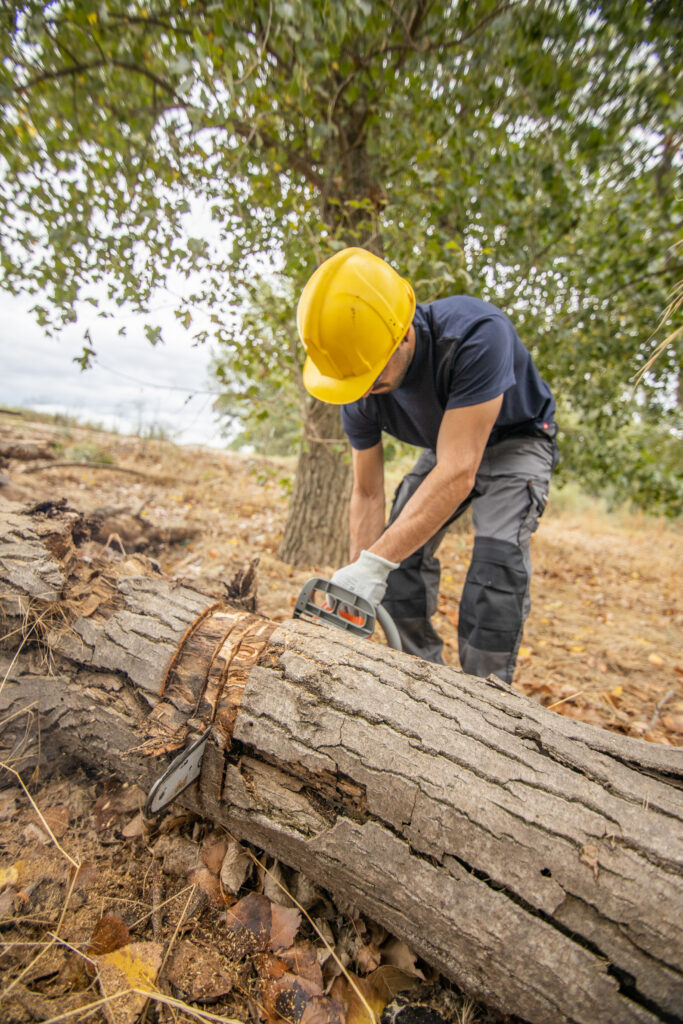
Equipment is chosen based on ground conditions and vegetation. Smaller areas may need handheld equipment. Larger stretches may need specialized equipment. Preparation keeps the work organized.
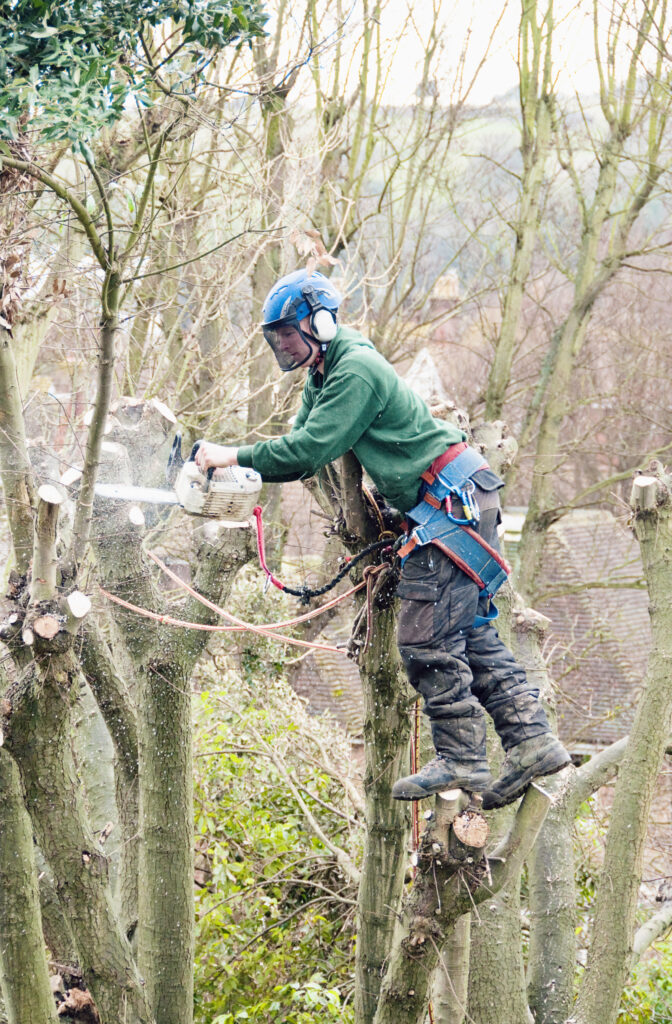
During clearing, vegetation is removed in sections. Smaller growth is cleared first. Larger growth is handled in sequence. Care is taken to keep soil stable. Roots that cause problems may be addressed.
Debris is managed to avoid causing buildup. Work moves progressively through the area. Noise and access are managed to reduce impact. Right-of-Way Clearing focuses on long-term access, not rushing.
After clearing, the area is reviewed. Drainage paths are inspected. Remaining debris is cleared or distributed. Edges are reviewed for stability.
This helps prevent regrowth from undoing the work. Examples from Missouri erosion show why follow-up matters. Poor finishing can cause setbacks. Final checks help the area last longer. A clear path is easier to maintain.
Once cleared, right-of-way areas need continued attention. New growth will eventually come back. Routine maintenance helps control it. Seasonal checks catch issues early.
Spring growth often needs attention first. Fall debris should be removed ahead of snow. Colorado weather shifts can affect soil. Monitoring helps prevent erosion. Maintained paths stay easier to use.
Water management remains important after clearing. Ditches should function properly. Basic maintenance helps guide water. Clearing after storms can prevent blockages. These steps protect the travel area.
Rainfall issues seen in Missouri show what happens when water is ignored. Learning from those problems helps locals plan better. Stable drainage supports continued usability. Ongoing care keeps routes usable.
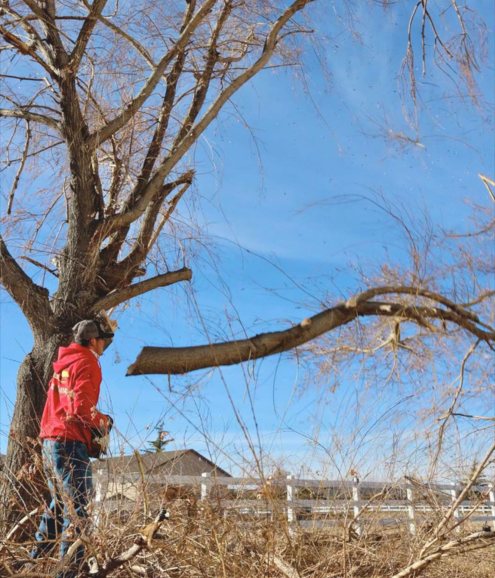
Periodic reviews also improve safety. Trees near edges should be evaluated. Limbs may shift over time. Addressing this early prevents future risks.
Open paths allow easy inspection. This benefits drivers and walkers alike. Right-of-Way Clearing is not a set-and-forget job. Maintenance keeps access safe. Trusted local knowledge guides long-term care. Clear routes support daily life.
At Tree Service Westminster CO, we are a locally owned and operated company dedicated to providing top-quality tree care services in Westminster, Colorado, and the surrounding areas. With a team of ISA certified arborists, we specialize in everything from tree trimming and stump grinding to tree planting and disease management. As a full-service tree company, we take pride in delivering reliable, safe, and eco-friendly solutions tailored to meet the unique needs of residential and commercial clients. Our commitment to excellence, combined with our extensive knowledge of local ecosystems, ensures the health, beauty, and longevity of your trees. Fully licensed and insured, we strive to exceed expectations with every project while enhancing the natural landscapes of our community.
Copyright 2024 Tree Service Westminster CO | All RIghts Reserved