- 720-727-6652
- help@businessname.com
- Mon - Fri: 10:00 - 18:30

Property Clearing is often the first step homeowners take when land becomes hard to use. Over time, thick brush, young trees, and weeds can take over open areas. This makes it difficult to walk the property or identify surface issues. Hidden rocks, holes, and old debris are common problems.
Many people do not realize how overgrown the land has become until it creates problems. In Colorado, seasonal weather shifts can speed up unwanted growth. Cycles of dry weather and rainfall often lead to fast regrowth. Property Clearing helps restore order to the property. It gives homeowners a clear view of their property.
When land is not maintained, problems tend to grow quietly. Dense plant growth can trap moisture. Water that cannot move properly may sit on the surface. This can weaken soil structure. During winter conditions, trapped water can expand and move the ground. That leads to surface instability and lasting issues.
Property Clearing helps limit damage before it spreads. It removes the growth that causes hidden issues. Clear land is easier to monitor and maintain.
Many homeowners wait to schedule Property Clearing because the land still looks usable. Small patches of brush may not seem like a concern early on. Over time, those patches grow together. Rodents and insects often move into dense growth. Small animals and pests prefer thick vegetation.
Once they move in, they may move toward living spaces. Property Clearing removes these problem zones. It helps keep land more comfortable to use. Early clearing is often simpler and less disruptive.
Property Clearing Broomfield, CO is shaped by local terrain and weather patterns. Many properties in this area have variable terrain. Inclines and rough ground require careful handling. Colorado weather can vary throughout the year. These shifts affect how soil reacts during clearing.
Planning around weather helps avoid damage. Property Clearing Broomfield, CO focuses on balanced land management. The goal is to open the land while protecting the ground. Local conditions matter when deciding which methods are used.
Seasonal timing plays a big role in Property Clearing. Vegetation grows quickly in spring. Hot summer weather can dry vegetation and increase fire risk. Fall often brings tree limbs and leaves. Winter snow can mask issues.
Missouri-specific conditions like persistent damp weather show how fast unmanaged land can become problematic. Learning from those patterns helps Colorado homeowners stay ahead. Clearing before peak growth saves time later. Good timing also protects equipment and soil. Thoughtful planning leads to long-lasting outcomes.
Another concern homeowners have is what happens to cleared material. Brush and debris need to be handled properly. Leaving piles behind can create safety issues. Some material may be reused. Other debris may need removal.
Local guidelines often determine handling rules. Property Clearing is more than just removing vegetation. Cleanup is part of long-term management. A clean site is easier to maintain. Proper handling protects adjacent land.
One common issue is drainage concerns. Dense vegetation and roots can trap moisture. When water cannot move, it collects in unwanted areas. This leads to muddy ground and soil loss. In winter, pooled water can cause frost damage. Over time, the land becomes uneven and unsafe.
Property Clearing removes barriers that trap moisture. It helps water drain properly. Flooding examples from Missouri show what happens when drainage is ignored.
Fire risk is another concern for property owners. Unmanaged plants can ignite easily. Wind can spread flames quickly. Clearing reduces combustible material near structures. This is especially helpful during low-moisture seasons.
Fire incidents in Missouri show how fast fire can move through dense growth. Removing excess vegetation improves safety. Open land is easier to monitor during fire season. Property Clearing supports safer properties year-round.
Pests also hide in overgrown areas. Thick growth provides cover for pests. Small animals and bugs often hide in unmanaged areas. These pests may move closer to homes over time.
Property Clearing removes the cover they rely on. Open land makes it easier to spot activity early. Fewer hiding places reduce pest pressure. Managed ground supports healthier plant growth. Clearing helps native plants grow stronger.
The Property Clearing process begins with a initial evaluation. This helps identify slopes, soil type, and problem areas. Property lines and entry areas are noted. Planning prevents damage to nearby structures or land. Equipment is chosen based on site needs.
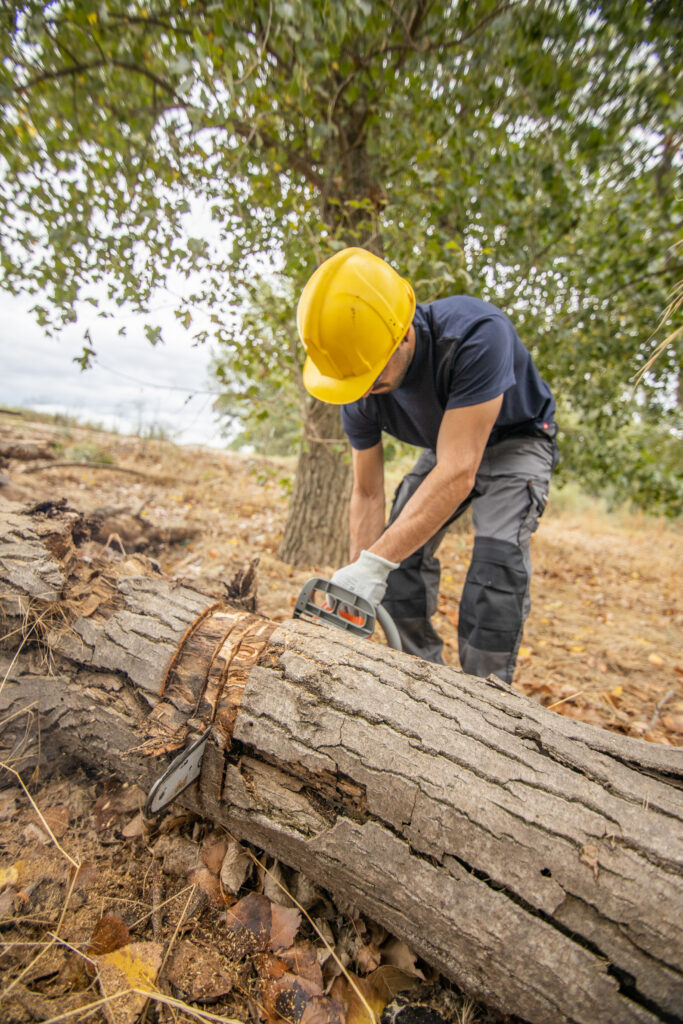
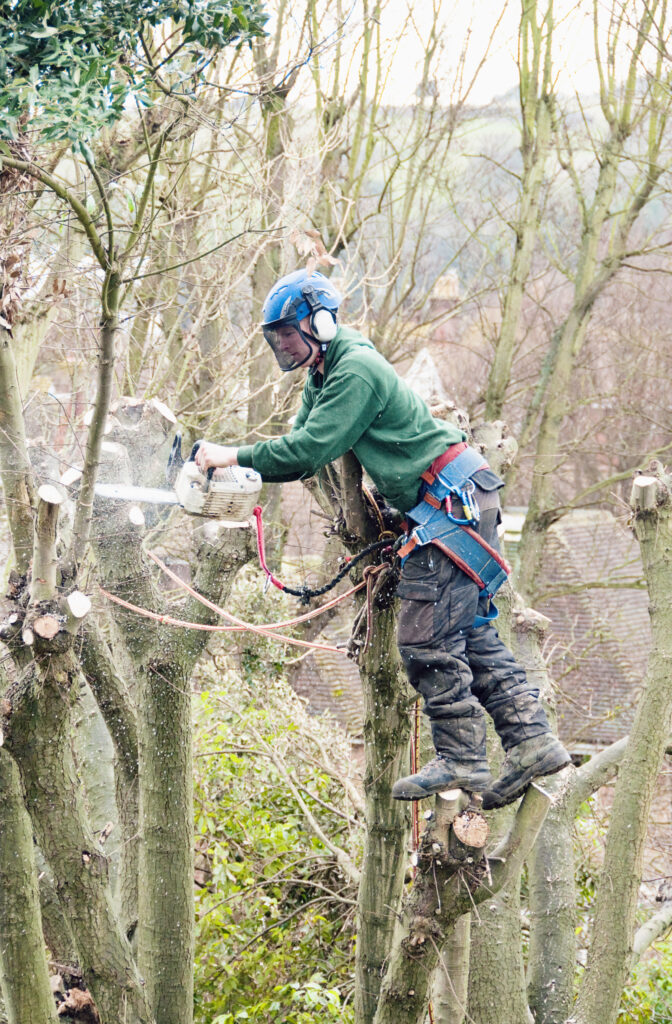
Smaller areas may need handheld methods. Larger sections may require heavier equipment. Safety checks come first. Preparation keeps the work efficient.
Clearing usually happens in steps. Larger growth is addressed first. Secondary growth follow. Roots that cause future problems may be managed. Soil is protected during the process. Care is taken to avoid over-clearing.
Surface management may be needed during hot periods. Access paths are kept clear. Property Clearing is done methodically. Each step supports lasting results.
After clearing, the site is reviewed. Remaining debris is handled properly. The ground is inspected for water flow and firmness. Adjustments may be made if needed. Examples from Missouri show why this matters.
Poor finishing can cause repeat problems. Final checks help the land hold up over time. A finished site is easier to maintain. Proper follow-up protects the investment.
Once land is cleared, maintenance keeps it manageable. New growth can regrow quickly. Light trimming helps control regrowth. Regular checks spot problems quickly. Spring often brings rapid plant growth. Fall may leave fallen material.
Colorado weather shifts can stress exposed soil. Monitoring helps prevent damage. Maintained land stays stable.
Water management remains important after Property Clearing. Proper drainage protects soil structure. Simple grading helps guide water away. Clearing debris after storms prevents blockages. These steps reduce repair needs.
Examples from Missouri storms show what poor planning can cause. Learning from those examples helps locals avoid problems. Stable drainage supports ground strength. Ongoing care makes a difference.
Periodic reviews also improve safety. Trees near edges should be checked. Roots may weaken after nearby clearing. Addressing this early prevents future issues. Open land allows better visibility.
This benefits people using the property. Property Clearing is not a one-time task. Maintenance keeps land usable long-term. Trusted local knowledge helps guide care. Well-kept property holds its value.
At Tree Service Westminster CO, we are a locally owned and operated company dedicated to providing top-quality tree care services in Westminster, Colorado, and the surrounding areas. With a team of ISA certified arborists, we specialize in everything from tree trimming and stump grinding to tree planting and disease management. As a full-service tree company, we take pride in delivering reliable, safe, and eco-friendly solutions tailored to meet the unique needs of residential and commercial clients. Our commitment to excellence, combined with our extensive knowledge of local ecosystems, ensures the health, beauty, and longevity of your trees. Fully licensed and insured, we strive to exceed expectations with every project while enhancing the natural landscapes of our community.
Copyright 2024 Tree Service Westminster CO | All RIghts Reserved