- 720-727-6652
- help@businessname.com
- Mon - Fri: 10:00 - 18:30

Lot Clearing is often the first step homeowners take before construction or upgrading their property. Many properties become unmanaged after years of little use. Brush, small trees, and roots can take over quickly. This growth can conceal hazards and buried debris.
People often notice drainage problems once they inspect the lot. Lot Clearing helps bring the land back into view. It makes the space more usable and accessible. In Colorado, land can shift quickly with climate variation. Clearing early helps reduce future complications.
Overgrown lots can create hazards for residents nearby. Tall grass and brush can mask surface hazards. This makes walking or working risky. Pests like rodents and insects often live in dense growth. These pests may move closer to homes over time.
Lot Clearing removes these problem areas. It also makes the land easier to monitor. Clear land is easier to inspect and maintain. Many locals choose clearing to restore order to their property.
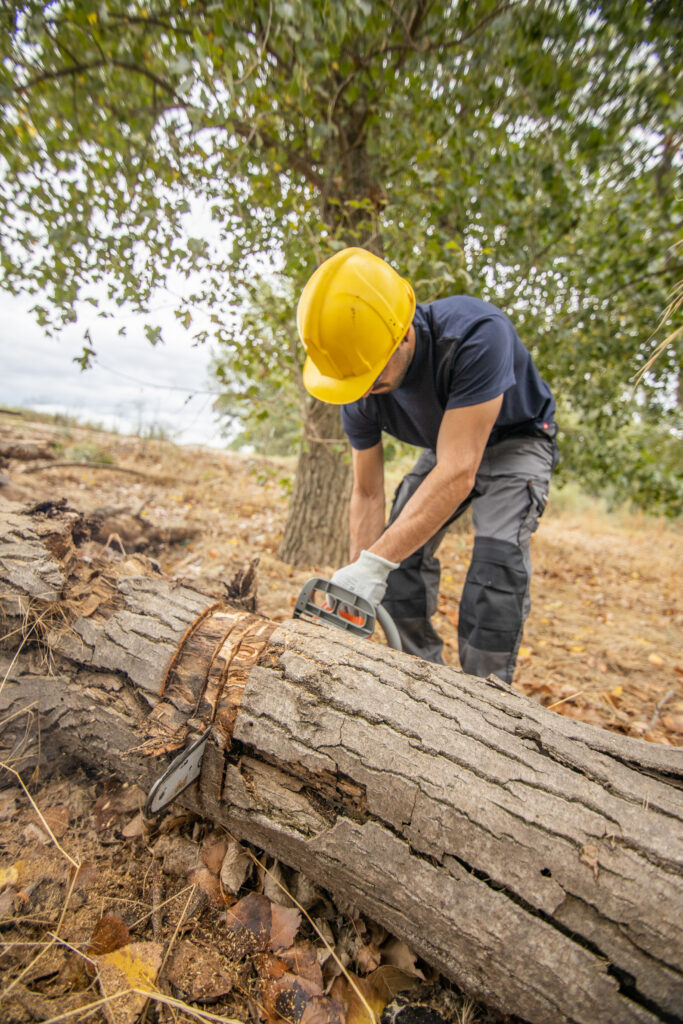
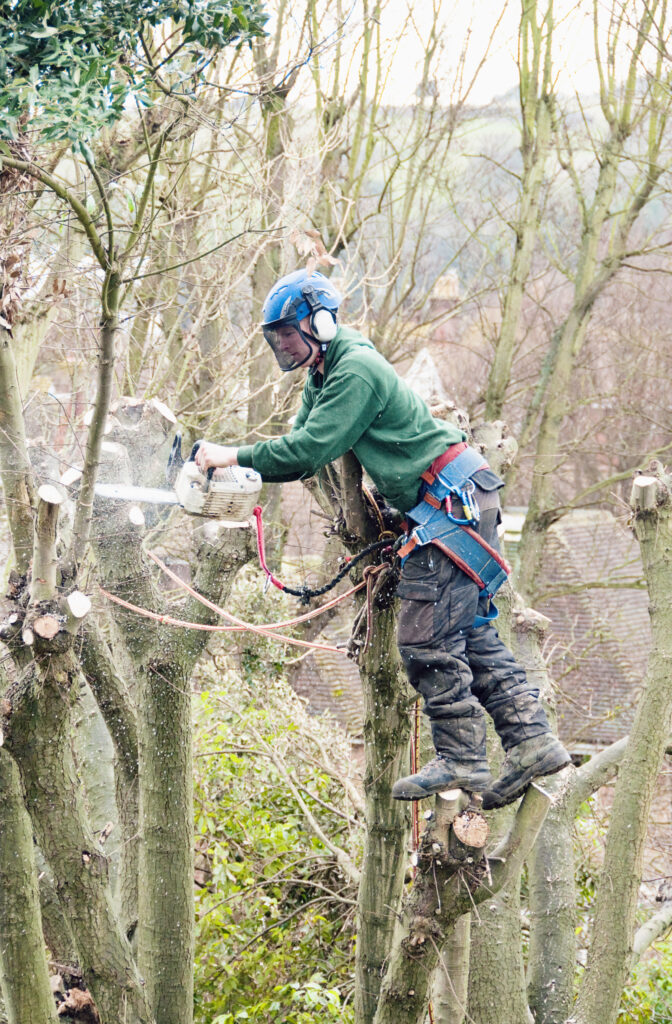
People often ask what Lot Clearing really includes. It is not just trimming vegetation. It involves removing brush, roots, and surface debris. Stumps may also need removal to stop regrowth. The goal is stable, usable ground. Clearing also prepares land for upcoming projects.
Construction, fencing, or landscaping projects all depend on proper clearing. Colorado soil and slopes influence clearing methods. A measured approach supports long-term stability. Lot Clearing sets the groundwork for safe use.
Lot Clearing Evergreen, CO is shaped by regional terrain and climate. Many lots here have mixed soil and uneven terrain. Rocky areas can cause delays if not accounted for. Seasonal weather in Colorado also plays a role.
Low-moisture periods create environmental challenges. Wet periods can lead to surface damage. Timing the work helps prevent setbacks. Lot Clearing Evergreen, CO works best with regional knowledge. Understanding the land leads to better results.
Homeowners often wonder about the best time to clear. Spring and fall are common choices in this area. These seasons offer steady ground conditions.
Missouri-specific conditions like excess moisture and wet ground show why timing matters. Learning from those patterns helps locals make better decisions. Clearing during very wet conditions can cause rutting. Low-wind dry days allow more precision. Planning around seasons saves money and effort. Lot Clearing benefits from patience and preparation.
Another common concern is what happens after clearing. Debris must be managed properly. Piles left behind can become safety issues. Proper removal keeps land clean and usable. Some materials may be processed or removed. Local rules often shape cleanup practices.
Clean sites are easier to manage. Lot Clearing is not finished until cleanup is done. A tidy lot stays more secure long term. Responsible clearing protects adjacent areas.
Many homeowners choose Lot Clearing to fix standing water concerns. Overgrown roots can restrict drainage paths. This causes wet spots after rain. In colder months, trapped water can freeze. Freeze-thaw cycles may damage soil.
Clearing removes growth that blocks water flow. It also allows grading to guide water away. Missouri-specific flooding issues show what happens when drainage is ignored. Learning from that helps protect Colorado lots.
Fire risk is another reason people clear lots. Unmanaged vegetation can burn fast. Wind can carry flames quickly across uncleared land. Clearing reduces combustible material near structures. This is helpful during low-moisture seasons.
Fire examples from Missouri show how fast unmanaged land can burn. Removing debris reduces danger. Open land gives clear access. Lot Clearing supports safer properties.
Some homeowners clear lots to get ready for construction. Construction requires stable, open ground. Roots and debris can interfere with foundations. Clearing helps builders work safely and accurately. It also shows ground issues upfront.
Problems found later can cause setbacks. Lot Clearing helps reduce delays. Clear land allows better planning. Examples from Missouri ground conditions highlight the value of early preparation. Careful clearing supports long-term success.
The Lot Clearing process begins with a property evaluation. This helps identify terrain challenges and barriers. Planning prevents unintended impact. Equipment is chosen based on ground conditions. Smaller lots need a controlled approach. Larger areas may need heavier machines.
Safety checks come before work starts. Property lines and utilities are marked. Preparation keeps the process efficient.
During clearing, work happens in phases. Major obstructions is removed first. Brush and smaller growth follow. Roots and stumps are addressed to prevent return growth. Soil is leveled as debris is cleared. This helps prevent water pooling.
Surface management may be needed in hot seasons. Access paths are kept clear. Lot Clearing moves with planned progress. Each step protects the land.
After clearing, the site is inspected. Remaining debris is removed or processed. The ground is checked for levelness. Grading may be adjusted if needed. This prepares the lot for its intended purpose.
Examples from Missouri land show why grading matters. Poor grading can cause erosion damage. Final checks help prevent long-term issues. A finished lot is easier to manage.
Once a lot is cleared, maintenance keeps it manageable. New growth can regrow fast if ignored. Routine cutting helps control regrowth. Regular checks catch issues ahead of time. Spring often brings new vegetation. Fall can leave organic buildup.
Colorado weather shifts can stress exposed soil. Monitoring helps prevent surface damage. Maintained land stays safer and cleaner.
Water management is important after Lot Clearing. Proper drainage protects land integrity. Minor adjustments guides water away from buildings. Protective material may help reduce erosion. These steps matter during heavy rain.
Rainfall examples from Missouri show what poor drainage can cause. Learning from those issues helps locals protect their land. Stable land handles storms more effectively. Ongoing care protects the lot.
Periodic reviews help spot new problems. Trees near edges should be checked for stability. Roots can weaken after nearby clearing. Addressing this early prevents hazards.
Open lots make inspections more effective. This improves safety for families and visitors. Lot Clearing is not a one-time task. Maintenance keeps land functional year-round. Trusted local knowledge helps guide care. Well-kept lots add long-term value.
At Tree Service Westminster CO, we are a locally owned and operated company dedicated to providing top-quality tree care services in Westminster, Colorado, and the surrounding areas. With a team of ISA certified arborists, we specialize in everything from tree trimming and stump grinding to tree planting and disease management. As a full-service tree company, we take pride in delivering reliable, safe, and eco-friendly solutions tailored to meet the unique needs of residential and commercial clients. Our commitment to excellence, combined with our extensive knowledge of local ecosystems, ensures the health, beauty, and longevity of your trees. Fully licensed and insured, we strive to exceed expectations with every project while enhancing the natural landscapes of our community.
Copyright 2024 Tree Service Westminster CO | All RIghts Reserved