- 720-727-6652
- help@businessname.com
- Mon - Fri: 10:00 - 18:30
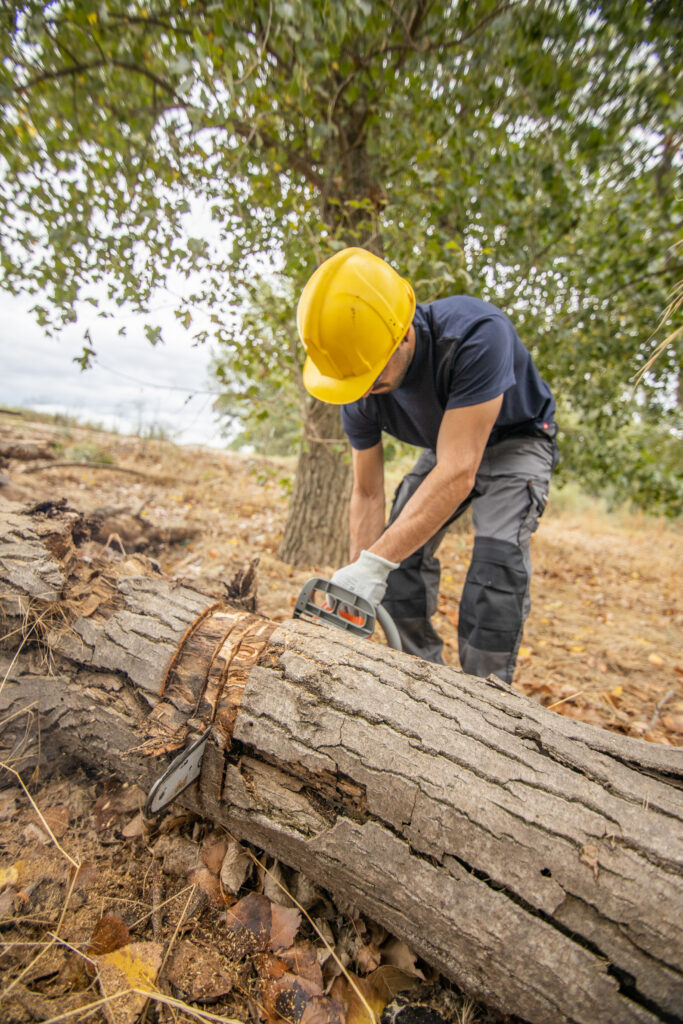
Land Clearing is the process of clearing out trees, brush, roots, and debris from a parcel of land. Property owners need Land Clearing when they want to develop, install fencing, or restore unmanaged land.
If land is left unmanaged, it can rapidly become unsafe and hard to use. Dense vegetation can cover pests, uneven ground, and drainage problems. In outlying and semi-rural locations, this can also increase wildfire risk.
Clearing land the correct way helps bring the land back under control. It also protects nearby structures and neighboring land. In Colorado, changing weather can speed up overgrowth in certain seasons. Land Clearing done correctly helps land maintain long-term usability.
Many people think Land Clearing is only about removing trees, but it is a more complex process. It includes eliminating stumps, regrowth, and shallow roots. If roots stay in the soil, they can cause future sinking or regrowth.
Unlevel ground can lead to standing water following rainfall. Over time, this water can weaken soil and affect nearby structures. Ground conditions and elevation changes also affect how clearing should be handled. A measured approach helps avoid erosion and future problems. In areas with mixed clay and sandy soil, planning matters. Land Clearing supports healthier land use over time.
Homeowners often delay too long before starting Land Clearing. By that time, the job becomes more difficult and expensive. Thick brush can prevent proper access. Wildlife may move into unmanaged areas near homes. This can lead to hazards for people and animals.
Clearing early helps reduce these risks. It also makes ongoing upkeep simpler and less costly. Many locals clear land before weather changes. This helps reduce future complications. Land Clearing is about long-term protection and usability.
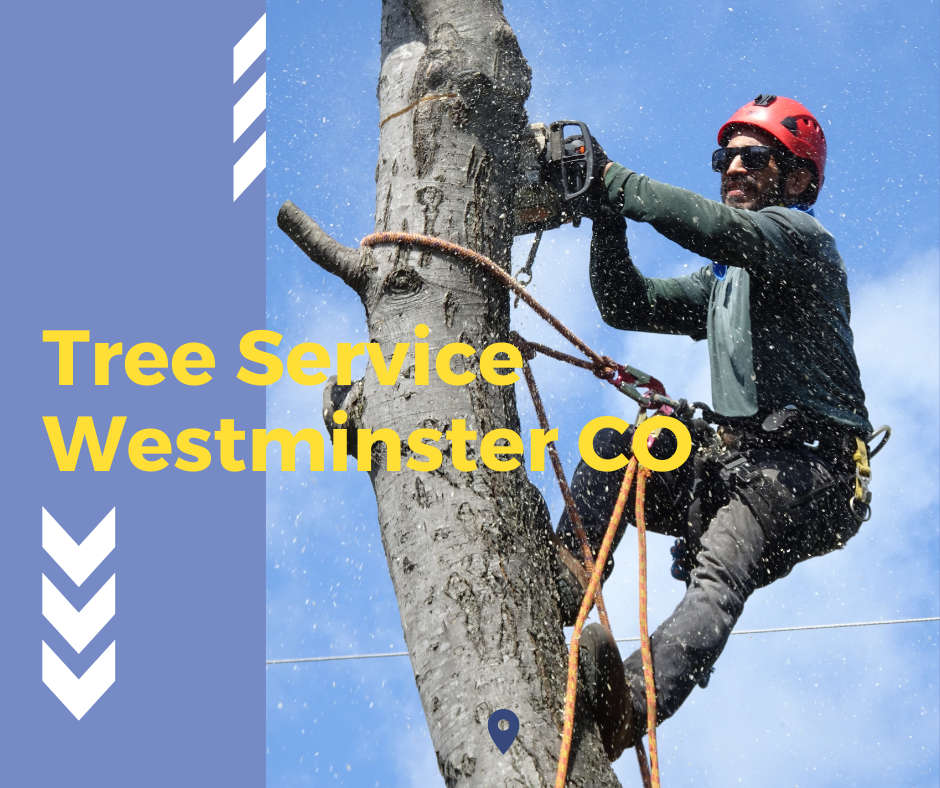
Land Clearing Bakerville, CO is often needed for residential lots, ranch land, and small developments. Local properties may deal with sloped land and rocky ground. These conditions require steady and careful clearing methods. Colorado weather can vary suddenly between dry and moist seasons.
Clearing land before wet conditions helps reduce soil movement. In some seasons, hard soil can also slow down progress. Planning around these factors leads to smoother projects. Land Clearing Bakerville, CO helps land support safe use. It also supports future usability.
Many homeowners ask when Land Clearing should be done. Spring and early fall are common choices in this region. These seasons offer balanced soil and clear sightlines. In contrast, Examples from Missouri like heavy humidity and saturated soil can slow progress.
Learning from those conditions helps locals reduce risks. Wet ground increases the risk of equipment damage. Drier conditions allow for cleaner and more controlled clearing. Timing affects how roots and debris are handled. Land Clearing works best when soil conditions are balanced. Local experience makes projects more successful.
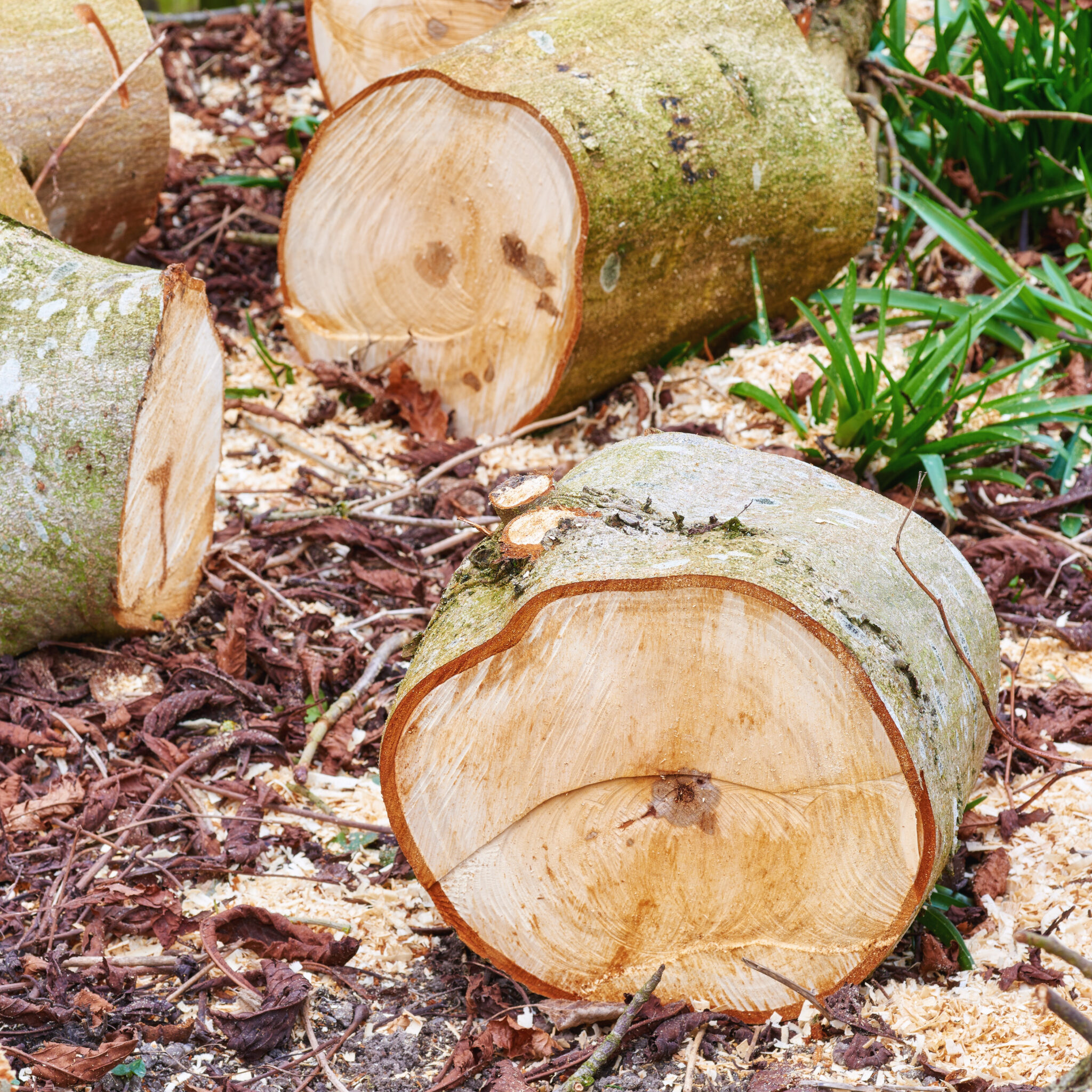
Another concern is where removed material goes. Removed materials must be handled responsibly. Leaving piles can increase fire danger. Proper disposal keeps the land usable and safe. Some material can be repurposed depending on condition. This supports responsible land care.
Local guidelines often determine handling rules. Clearing land is not just removal, but also site preparation. Thoughtful Land Clearing keeps the area manageable. It also prepares the site for next steps.
Overgrown land often causes drainage issues. Water may collect where roots restrict drainage. This can lead to soft and uneven soil. In colder months, trapped water can expand and damage soil. Uneven surfaces then become dangerous areas.
These problems become more severe if ignored. Land Clearing removes the barriers that trap moisture. It also improves grading for better water movement. Clear land responds better to climate variation.
Fire risk is another major concern for property owners. Dead vegetation and dry growth can burn rapidly. In windy conditions, fires expand rapidly. Clearing reduces combustible material near structures. This is especially helpful during low-moisture seasons.
Lessons learned in Missouri show how fast unmanaged land can burn. Removing debris reduces hazards. Land Clearing helps create defensible space. It also gives firefighters improved entry if needed.
Pests and invasive plants thrive in dense growth. Pests and wildlife often hide in thick cover. These pests can spread toward structures. Invasive plants also spread quickly if not removed. They can crowd out healthy plants.
Land Clearing removes these hiding places and limits spread. Managed land supports balanced plant growth. It also makes maintenance simpler. Clear land is easier to monitor and maintain.
The Land Clearing process starts with a initial assessment. This helps identify slopes, soil type, and problem areas. Planning prevents damage to surrounding land. Equipment choice depends on property layout. Smaller lots need a less invasive process. Larger areas may require heavier machinery.
Safety checks are done before work begins. This protects surrounding property. Careful preparation leads to smoother results.
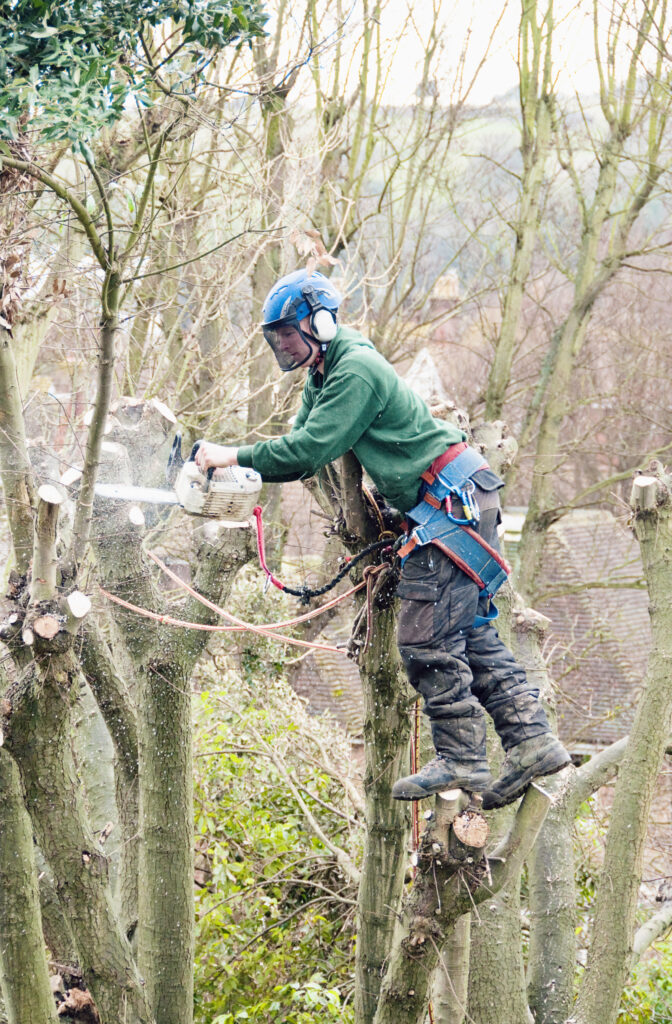
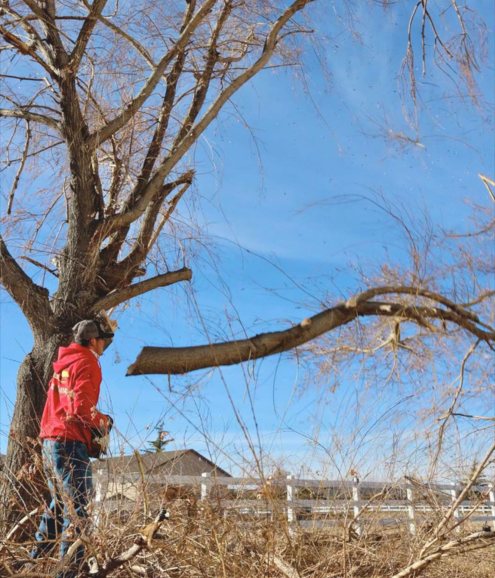
During clearing, vegetation is removed in phases. Large trees are handled first, followed by secondary vegetation. Stumps are addressed to prevent regrowth. Soil is leveled once debris is removed. This helps support future use.
Surface control may be needed in low-moisture conditions. Noise and access are managed to minimize impact. Land Clearing is done with planned execution. Each step supports future usability.
After clearing, final checks are important. The ground is inspected for stability and drainage. Remaining debris is handled appropriately. The land may be leveled for plans. This step helps with construction preparation.
Examples from Missouri land show the value of proper grading. Poor grading leads to drainage failures. Finishing work matters as much as clearing. A complete process protects the property.
Once land is cleared, maintenance keeps it that way. New growth can return quickly if ignored. Routine checks and trimming help control regrowth. Seasonal checks catch problems before they grow. In spring, fast growth needs attention. In fall, cleanup is important.
Colorado weather shifts can stress exposed soil. Monitoring helps prevent surface damage. Maintained land stays functional year-round.
Water management is key after Land Clearing. Proper drainage prevents erosion. Basic leveling helps guide water away from buildings. Protective materials may reduce erosion. These steps protect cleared areas during storms.
Missouri weather conditions highlight the need for planning. Learning from those conditions helps avoid washouts. Stable land supports ongoing usability. Maintenance protects the original investment.
Cleared land also benefits from ongoing inspections. Trees near edges should be checked for root strength. Roots can shift after nearby clearing. Addressing this early prevents unexpected issues.
Open land allows better visibility. This improves safety for people on the property. Land Clearing is not a one-time task. Ongoing care keeps land ready for use. Trusted local guidance helps homeowners protect their property.
At Tree Service Westminster CO, we are a locally owned and operated company dedicated to providing top-quality tree care services in Westminster, Colorado, and the surrounding areas. With a team of ISA certified arborists, we specialize in everything from tree trimming and stump grinding to tree planting and disease management. As a full-service tree company, we take pride in delivering reliable, safe, and eco-friendly solutions tailored to meet the unique needs of residential and commercial clients. Our commitment to excellence, combined with our extensive knowledge of local ecosystems, ensures the health, beauty, and longevity of your trees. Fully licensed and insured, we strive to exceed expectations with every project while enhancing the natural landscapes of our community.
Copyright 2024 Tree Service Westminster CO | All RIghts Reserved